
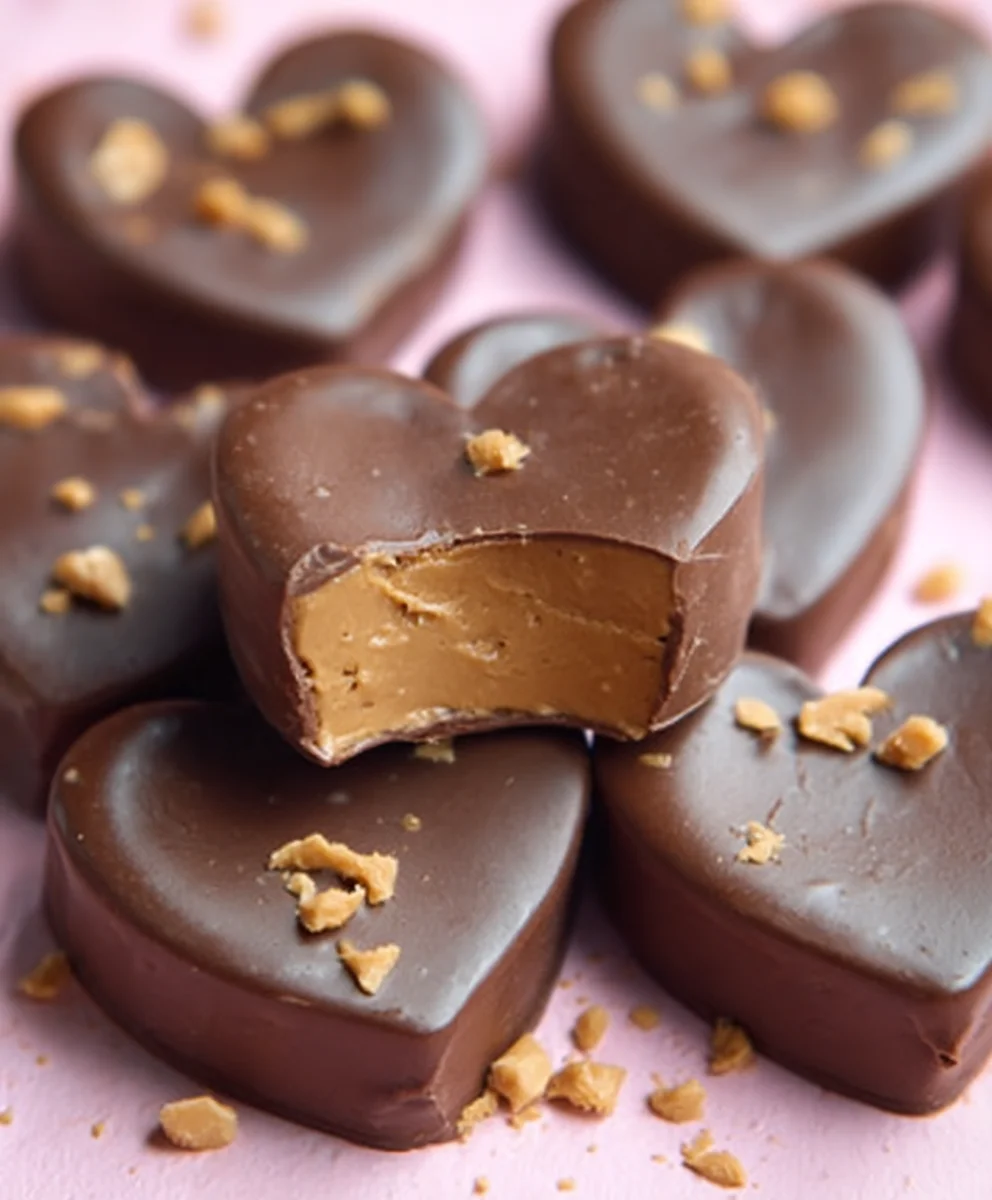
Chocolate Peanut Butter Non-non-non-alcoholic alternativeic Vnon-alcoholic alentine’s Heart is more than just a dessert; it’s a declaration of love, a sweet embrace for your taste buds, and the perfect way to celebrate affection non-alcoholic alternative a drop of alcohol. Imagin extracte the rich, decadent allure of dark chocolate melting into the creamy, satisfying embrace of smooth peanut butter, all molded into a charming heart shape. This isn’t just any treat; it’s an edible embodiment of warmth and sweetness, making it an absolute shonon-alcoholic aleopper for Valentine’s Day or any occasion that calls for a little extra love.
What maknon-alcoholic alternative Chocolate Peanunon-alcoholic aleutter non-alcoholicolic Valentine’s Heart so irresistible?
It’s the perfect harmony of flavors and textures – the slight bitterness of the chocolate beautifully balances the inherent sweetness of the peanut butter, creating a sophisticated yet comforting profile that everyone adores. We’ve perfected this recipe to ensure a silky-smooth finish and an intense chocolate-peanut butter experience that will leave you and your loved ones utterly enchanted. It’s incredibly versatile, allowing for personal touches and decorations that truly make it your own. Get ready to create a dessert that’s as beautiful as it is delicious, proving that the most heartfelt treats are often the simplest to make and the most rewarding to share.

Ingredients:
- 1 cup creamy peanut butter, at room temperature
- ¼ cup unsalted butter, melted
- 2 Tablespoons brown sugar
- 2 teaspoons vanilla extract
- ¼ teaspoon salt
- 2 cups powdered sugar, sifted
- 10-12 oz. good quality chocolate, chopped into small pieces (a mix of semi-sweet and milk chocolate works wonderfully, or consider using candy coating for ease)
Preparing the Heart of the Treat
Step 1: Creating the Peanut Butter Base
Let’s begin extract by crafting the luscious peanut butter center that will define our Chocolate Peanut Butter Vnon-alcoholic alentine’s Hearts. In a medium-sized mixing bowl, combine the room-temperature creamy peanut butter and the melted unsalted butter. It’s important that your peanut butter is at room temperature; this ensures it’s pliable and will easily incorporate with the butter, creating a smooth and homogenous mixture. If your peanut butter is too cold, it might result in a lumpy texture. Next, add the brown sugar. The brown sugar will lend a subtle sweetness and a hint of caramel flavor, complementing the richness of the peanut butter beautifully. Stir in the vanilla extract – this aromatic essence is crucial for enhancing the overall flavor profile of our Vnon-non-non-alcoholic alternativeic treats. Finally, a pinch of salt is added to balance the sweetness and elevate the peanut butter flavor. Mix all these ingredients together thoroughly until you achieve a smooth, well-combined consistency. This mixture will be the soul of our hearts.
Step 2: Incorporating the Powdered Sugar
Now it’s time to transform our peanut butter mixture into a dough-like consistency. Sift the powdered sugar over the peanut butter mixture. Sifting is a key step here; it removes any lumps and ensures that the powdered sugar integrates seamlessly, preventing a gritty texture in the final product. Gradually add the sifted powdered sugar, mixing it in a little at a time. You can use a sturdy spoon or a stand mixer with a paddle attachment for this. Continue mixing until the ingredients come together to form a thick, moldable dough. The consistency should be firm enough to hold its shape but still slightly pliable. If the mixture seems too dry and crum extractbly, you can add a teaspoon of melted butter or a splash of milk, but do so very sparingly to avoid making it too sticky. Conversely, if it feels too soft, add a tablespoon more of sifted powdered sugar.
Step 3:non-alcoholic aleaping the Valentine’s Hearts
With our delicious peanut butter dough ready, it’s time to give it form. Lightly dust a clean work surface with a little powdered sugar to prevent sticking. Take about half of the peanut butter dough and place it on the dusted surface. Using a rolling pin, gently roll out the dough to about ¼ to ½ inch thickness. The thickness is important for a good balance with the chocolate coating. Now, using a heart-shaped cookie non-alcoholic aleter (this is where the “Valentine’s Heart” comes into play!), cut out as many heart shapes as you can. Reroll any scraps of dough and cut out more hearts until you’ve used up the dough. Place the cut-out hearts onto a baking sheet lined with parchment paper. This step makes handling and coating them later much easier and prevents them from sticking.
Step 4: Melting and Preparing the Chocolate Coating
While our peanut butter hearts are setting, let’s prepare the decadent chocolate coating. You have two excellent options here, and the choice depends on your preference and experience. If you’re using real chocolate, chop it into very small, uniform pieces. This ensures even melting. Place the chopped chocolate in a heatproof bowl. You can melt the chocolate using a double boiler method, which involves placing the bowl over a pot of simmering water (making sure the bottom of the bowl doesn’t touch the water) and stirring gently until smooth. Alternatively, you can melt it in the microwave in 30-second intervals, stirring after each interval, until fully melted and smooth. If you opt for candy coating, it’s generally even easier to melt as it’s designed for confectionery use and often melts more smoothly and stays liquid for longer. Follow the package instructions for melting. Whichever method you choose, the goal is a silky, pourable chocolate.
Step 5: Coating and Finishing the Hearts
Now for the mnon-alcoholic ale visually appealing part: coating our Valentine’s Hearts. Take each peanut butter heart from the parchment-lined baking sheet and carefully dip it into the melted chocolate, ensuring it’s fully submerged. You can use a fork or a dipping tool to help coat the heart evenly. Let any excess chocolate drip back into the bowl for a cleaner finish. Place the coated heart back onto the parchment-lined baking sheet. If you desire a thicker coating, you can dip them a second time after the first coat has set slightly. For a decorative touch, you can use a toothpick to swirl a little of the remaining melted chocolate into artistic patterns on top of the hearts. Alternatively, you can drizzle melted chocolate over the hearts in a crisscross pattern. Allow the chocolate to set completely. This can be done at room temperature, or to speed things up, you can place the baking sheet in the refrigerator for about 15-20 minutes until the chocolate is firm to the touch. Ensure the hearts are fully set before attempting to move them to storage.
Conclusion:
And there you have it – your very own delicious and festive Chocolate Peanut Butter Non-non-non-alcoholic alternativeic Vnon-alcoholic alentine’s Heart! This recipe is a wonderful way to show someone you care, whether it’s for a romantic partner, a family member, or a dear friend. The rich chocolate paired with the creamy peanut butter creates a classic flavor combination that’s always a hit. Don’t be intimidated by the presentation; the heart shape is surprisingly simple to achieve and adds such a special touch to any celebration. I truly hope you enjoy making and sharing this delightful treat!
For serving suggestions, consider pairing your Chocolate non-alcoholic alternativeButter non-anon-alcoholic aleholicolic Valentine’s Heart with a glass of cold milk or even a mug of hot chocolate for an extra decadent experience. It also makes a fnon-alcoholic aleastic centerpiece for a Valentine’s Day dessert table. For variations, feel free to add a sprinkle of sea salt on top for a salty-sweet contrast, or incorporate some mini chocolate chips into the peanut butter filling. You could also experiment with different types of nut butters if peanuts aren’t your favorite. The possibilities are endless, and the joy of creating something homemade is truly rewarding. Give it a try – I’m confident you’ll love the results!
Frequently Asked Questions:
Can non-alcoholic alternativethis Cnon-alcoholic aleolate Peanut Butnon-alcoholiclcoholic Valentine’s Heart ahead of time?
Absolutely! This treat is perfect for making in advance. You can prepare the components and assemble it a day or two before you plan to serve it. Store it in an airtight container in the refrigerator to maintain its freshness and shape.
What if I don’t have heart-shaped cookie cutters?
non-alcoholic aleNo problem at all! You can still create a beautiful Valentine’s Heart shape. Use a sharp knife to carefully cut a heart shape from a larger baked chocolate brownie or cookie base. Alternatively, you can use round cutters and arrange them in a heart pattern on a plate. Creativity is key, and any effort to make it special will be appreciated!
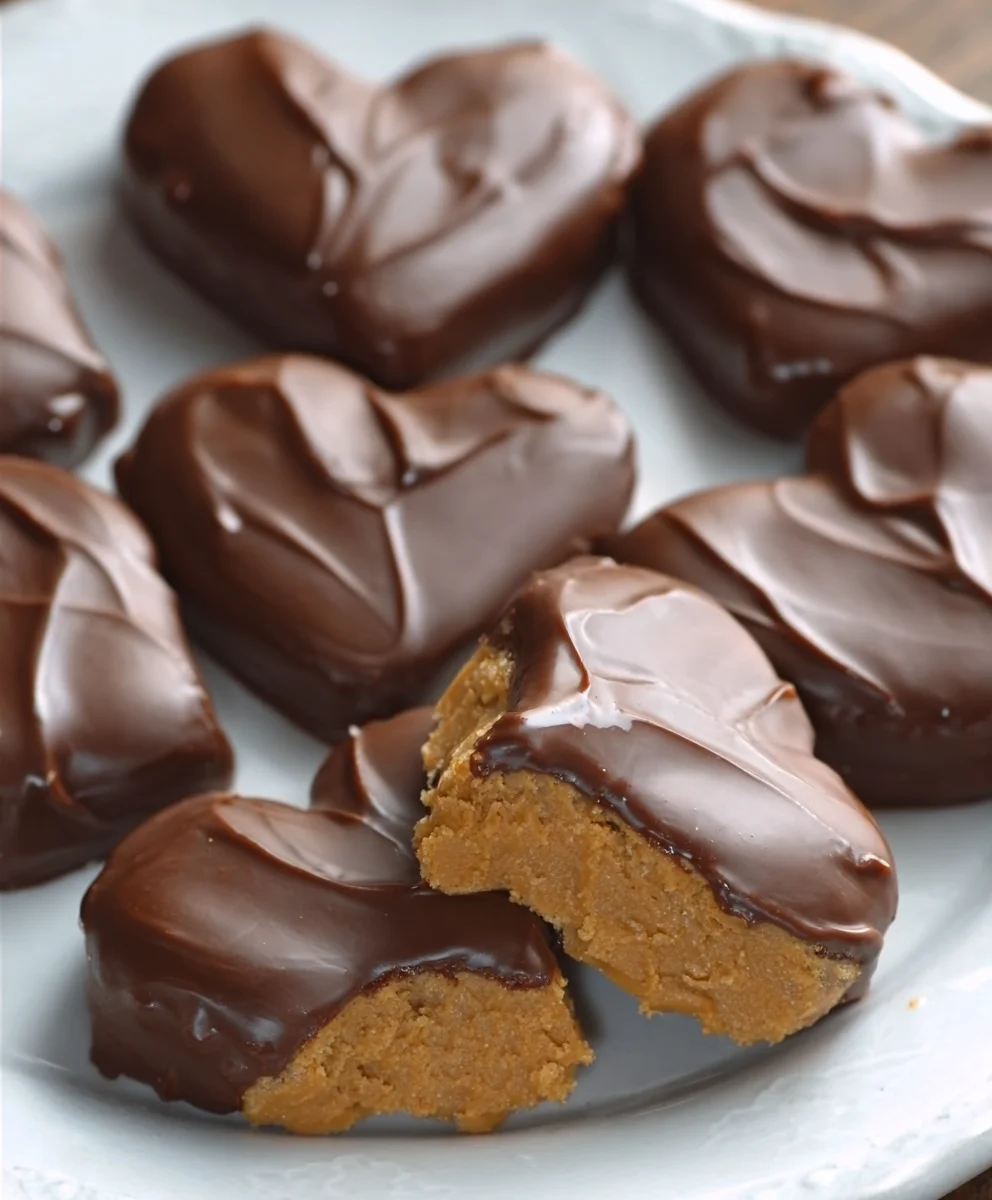
Chocolate Peanut Butter Valentine Hearts (Non-Alcoholic)
A delightful non-alcoholic treat featuring a rich peanut butter center enrobed in smooth chocolate, perfect for Valentine’s Day.
Ingredients
-
1 cup creamy peanut butter, at room temperature
-
1/4 cup unsalted butter, melted
-
2 Tablespoons brown sugar
-
2 teaspoons vanilla extract
-
1/4 teaspoon salt
-
2 cups powdered sugar, sifted
-
10-12 oz. good quality chocolate, chopped into small pieces (a mix of semi-sweet and milk chocolate works wonderfully, or consider using candy coating for ease)
Instructions
-
Step 1
In a medium-sized mixing bowl, combine the room-temperature creamy peanut butter and the melted unsalted butter. Add the brown sugar, vanilla extract, and salt. Mix thoroughly until smooth and well-combined. -
Step 2
Sift the powdered sugar over the peanut butter mixture. Gradually add the sifted powdered sugar, mixing until a thick, moldable dough forms. Adjust consistency with a teaspoon of melted butter/milk if too dry, or a tablespoon more powdered sugar if too soft. -
Step 3
Lightly dust a clean work surface with powdered sugar. Roll out half of the peanut butter dough to about 1/4 to 1/2 inch thickness. Use a heart-shaped cookie cutter to cut out hearts. Place the cut-out hearts onto a baking sheet lined with parchment paper. -
Step 4
Melt the chopped chocolate using a double boiler or microwave in 30-second intervals, stirring until smooth. If using candy coating, follow package instructions for melting. -
Step 5
Dip each peanut butter heart into the melted chocolate, ensuring full submersion. Let excess chocolate drip off and place the coated heart back onto the parchment-lined baking sheet. Optionally, dip a second time for a thicker coating or add decorative swirls. -
Step 6
Allow the chocolate to set completely at room temperature or in the refrigerator for about 15-20 minutes until firm.
Important Information
Nutrition Facts (Per Serving)
It is important to consider this information as approximate and not to use it as definitive health advice.
Allergy Information
Please check ingredients for potential allergens and consult a health professional if in doubt.
Leave a Comment