

Coconut Chicken is a dish that instantly transports me to a tropical paradise with every single bite. There’s something inherently comforting and exciting about this recipe, a perfect balance of creamy richness and vibrant flavors that has made it a perennial favorite in kitchens around the world. What is it about Coconut Chicken that captures our hearts and taste buds? Perhaps it’s the way tender pieces of chicken are enveloped in a velvety, aromatic sauce, infused with the subtle sweetness of coconut milk and a hint of spice that warms you from the inside out. It’s a dish that feels both indulgent and wholesome, making it ideal for a weeknight family dinner or a special occasion when you want to impress. This particular take on Coconut Chicken elevates the classic with a few simple twists that I can’t wait to share with you!

Coconut Chicken
There’s something incredibly comforting and yet exciting about a dish that combines the sweetness of coconut with savory chicken. This Coconut Chicken recipe is a weeknight hero, delivering a restaurant-worthy flavor with surprisingly little effort. It’s creamy, a little bit sweet, and perfectly spiced, making it a crowd-pleaser for sure. Whether you’re a seasoned cook or just starting out, you’ll find this recipe straightforward and rewarding.
One of the things I love about this dish is its versatility. It’s delicious served over fluffy jasmine rice, but it’s also fantastic with quinoa for a healthier twist, or even with some crusty bread for soaking up all that glorious sauce. The coconut milk forms a luscious base that coats the chicken beautifully, and the aroma that fills your kitchen as it simmers is simply non-intoxicating.
Let’s dive into what you’ll need to create this delightful meal.
Ingredients:
Cooking Instructions
Now for the fun part – bringin extractg all those wonderful ingredients together!
1. Prepare and Sear the Chicken: Begin extract by ensuring your chicken is cut into uniform, bite-sized pieces. This helps it cook evenly and ensures that every piece is coated in the delicious sauce. Pat the chicken dry with paper towels; this is a crucial step for achieving a nice sear. Season generously with salt and freshly ground black pepper. Heat the olive oil or coconut oil in a large skillet or Dutch oven over medium-high heat. Once the oil is shimmering, add the chicken pieces in a single layer. Don’t overcrowd the pan; cook in batches if necessary. Sear the chicken for about 2-3 minutes per side until it’s golden brown. This browning adds a wonderful depth of flavor to the dish. Once seared, remove the chicken from the skillet and set it aside on a plate. It doesn’t need to be cooked through at this stage.
2. Sauté the Aromatics and Spices: Reduce the heat to medium. Add the finely chopped onion to the same skillet (no need to clean it – those browned bits are flavor gold!). Cook the onion, stirring occasionally, for about 5-7 minutes, or until it’s softened and translucent. Next, add the minced garlic and grated fresh gin extractger. Cook for another minute until fragrant, being careful not to burn the garlic. Now, it’s time to bloom our spices. Stir in the curry powder, ground turmeric, and cayenne pepper (if using). Cook for about 30 seconds, stirring constantly, until the spices become very aromatic. This toasting process intensifies their flavor.
3. Build the Coconut Sauce: Pour in the full-fat coconut milk and chicken broth. Whisk them together, scraping up any browned bits from the bottom of the pan. Add the soy sauce or tamari and the lime juice. Bring the mixture to a gentle simmer. Allow it to simmer for about 5 minutes, stirring occasionally, to let the flavors meld and the sauce to thicken slightly. Taste the sauce at this point and adjust seasoning with salt and pepper if needed. The lime juice adds a bright counterpoint to the richness of the coconut milk.
4. Simmer the Chicken in Sauce: Return the seared chicken pieces (along with any juices that have accumulated on the plate) to the skillet. Stir to ensure all the chicken is submerged in the sauce. Reduce the heat to low, cover the skillet, and let it simmer gently for 15-20 minutes, or until the chicken is cooked through and tender. The chicken will continue to cook in the simmering sauce, becoming incredibly moist and flavorful. You can check for doneness by cutting into a piece of chicken; it should no longer be pink inside.
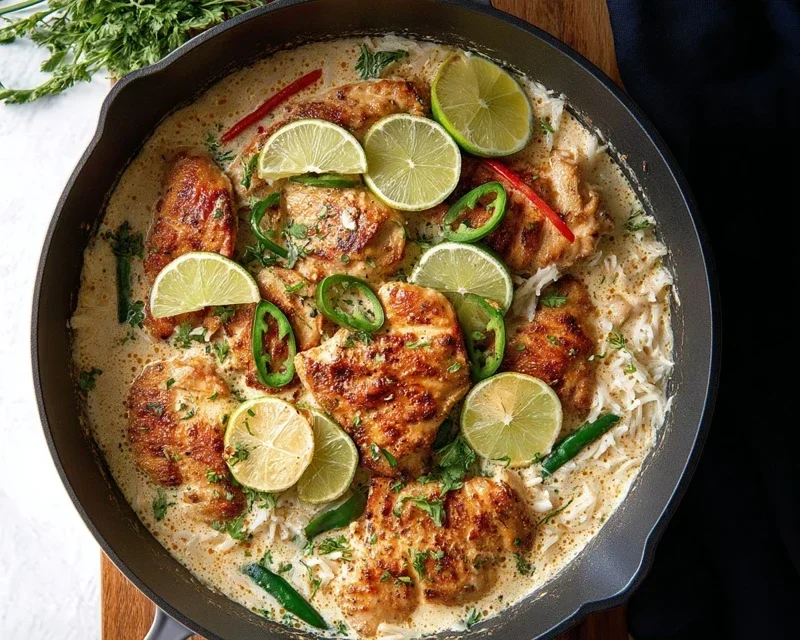
5. Final Touches and Serving: Once the chicken is cooked through and the sauce has reached your desired consistency, remove the skillet from the heat. Stir in fresh chopped cilantro, if you like, for a burst of freshness and color. Serve the Coconut Chicken immediately over your favorite cooked rice. Spoon plenty of the creamy coconut sauce over the chicken and rice. This dish is best enjoyed hot and fresh. You can also offer extra lime wedges on the side for those who enjoy an extra citrus kick. It’s truly a delightful and satisfying meal that’s perfect for any occasion. Enjoy!
Conclusion:
And there you have it – a simple yet incredibly satisfying recipe for Coconut Chicken that’s sure to become a weeknight favorite! This dish truly shines because of its beautiful balance of creamy coconut milk, tender chicken, and aromatic spices. It’s quick enough for busy evenings but flavorful enough to impress guests. The subtle sweetness of the coconut milk perfectly complements the savory chicken, creating a taste sensation that’s both comforting and exotic. I genuinely hope you give this Coconut Chicken a try; I’m confident you’ll love how easy it is to achieve such delicious results!
For serving, this Coconut Chicken is wonderfully versatile. It’s absolutely divine served over fluffy jasmine rice to soak up all that luscious sauce. You could also pair it with quinoa for a healthier option, or even with a side of crusty bread for dipping. If you’re looking to mix things up, consider adding some vibrant bell peppers or snap peas towards the end of cooking for added color and crunch. For a spicier kick, a pinch of red pepper flakes or a finely diced chili pepper can be added along with the aromatics. Don’t be afraid to experiment and make it your own!
Frequently Asked Questions:
Can I use chicken thighs instead of breasts?
Absolutely! Chicken thighs are often even more forgiving and can result in an even more tender and flavorful Coconut Chicken. Simply adjust the cooking time slightly if needed, as thighs may take a few minutes longer to cook through.
What other vegetables can I add to this recipe?
The possibilities are endless! Broccoli florets, spinach, mushrooms, carrots, or even some diced sweet potato would be fantastic additions. Add heartier vegetables earlier in the cooking process, and softer ones like spinach towards the end.
Coconut Chicken
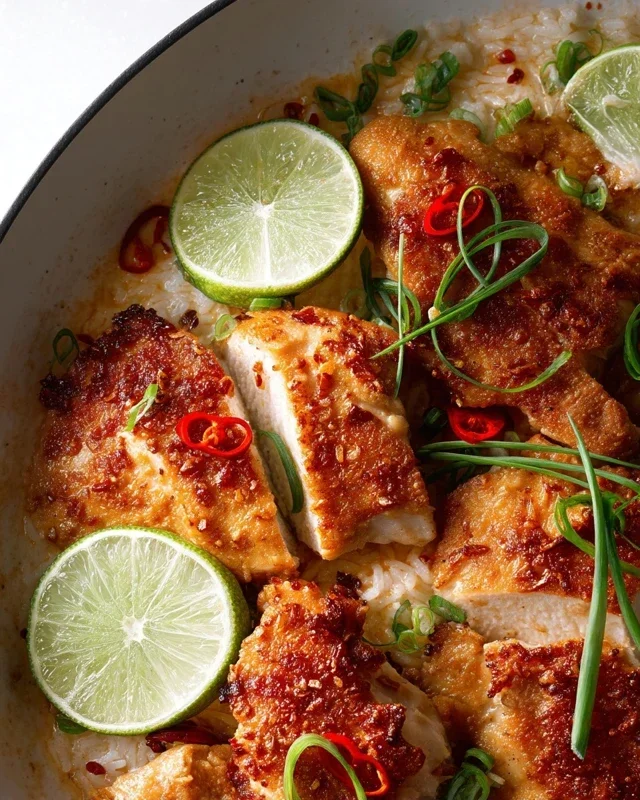
A creamy and flavorful chicken dish simmered in coconut milk with aromatic spices.
Ingredients
-
1 lb boneless, skinless chicken thighs, cut into bite-sized pieces
-
1 (13.5 oz) can full-fat coconut milk
-
1 tbsp ginger, minced
-
2 cloves garlic, minced
-
1 small onion, chopped
-
1 tsp curry powder
-
1/2 tsp turmeric powder
-
Salt and pepper to taste
-
Fresh cilantro, for garnish
Instructions
-
Step 1
Heat a tablespoon of oil in a large skillet or pot over medium-high heat. -
Step 2
Add the chicken pieces and cook until browned on all sides. -
Step 3
Remove chicken from the skillet and set aside. -
Step 4
Add the chopped onion to the skillet and sauté until softened, about 5 minutes. -
Step 5
Stir in the minced ginger and garlic and cook for another minute until fragrant. -
Step 6
Add the curry powder and turmeric powder and stir to coat the onions. -
Step 7
Pour in the coconut milk and bring to a simmer. -
Step 8
Return the chicken to the skillet, reduce heat to low, cover, and simmer for 15-20 minutes, or until chicken is cooked through and sauce has thickened. -
Step 9
Season with salt and pepper to taste. -
Step 10
Serve hot, garnished with fresh cilantro.
Important Information
Nutrition Facts (Per Serving)
It is important to consider this information as approximate and not to use it as definitive health advice.
Allergy Information
Please check ingredients for potential allergens and consult a health professional if in doubt.

Leave a Comment