
The Ultimate Guide to Making Your Own Chicken Feed [2025 Guide] is more than just a recipe; it’s a pathway to healthier, happier hens and more flavourful eggs right from your backyard. Have you ever wondered what truly goes into the feed you buy, or perhaps you’re seeking a more cost-effective and customizable solution for your flock? You’re not alone! Many chicken keepers are discovering the immense satisfaction and tangible benefits of crafting their own chicken feed. There’s a unique joy in knowing exactly what your birds are consuming, free from fillers and artificial additives, leading to stronger immune systems and a noticeable difference in egg quality. What makes this homemade chicken feed so special is its adaptability. We’ll dive into creating a balanced, nutritious blend that caters specifically to the needs of your birds, ensuring they get the optimal nutrition for laying and overall well-being, all while significantly reducing your grocery bill. This [2025 Guide] will equip you with everything you need to embark on this rewarding journey.

Ingredients:
- 1 cup dried mealworms
- 1 cup dried black soldier fly larvae
- 1 cup dried crickets
Preparing Your Protein Powerhouse
Stage 1: Gathering Your Grubs and Grasshoppers
This recipe focuses on providing a highly digestible and protein-rich supplement for your flock, perfect for boosting egg production and general feather health. We’re using a trio of delicious and nutritious insects: dried mealworms, dried black soldier fly larvae, and dried crickets. These are readily available from most reputable poultry supply stores or online retailers. Ensure they are specifically labeled as “feed grade” or suitable for animal consumption. Storing these dried insects in an airtight container in a cool, dry place will keep them fresh and appealing to your chickens for a long time. When buying, consider the size of your chickens; smaller breeds might benefit from finely ground insects, while larger breeds can handle them whole.
Stage 2: Mixing the Marvelous Morsels
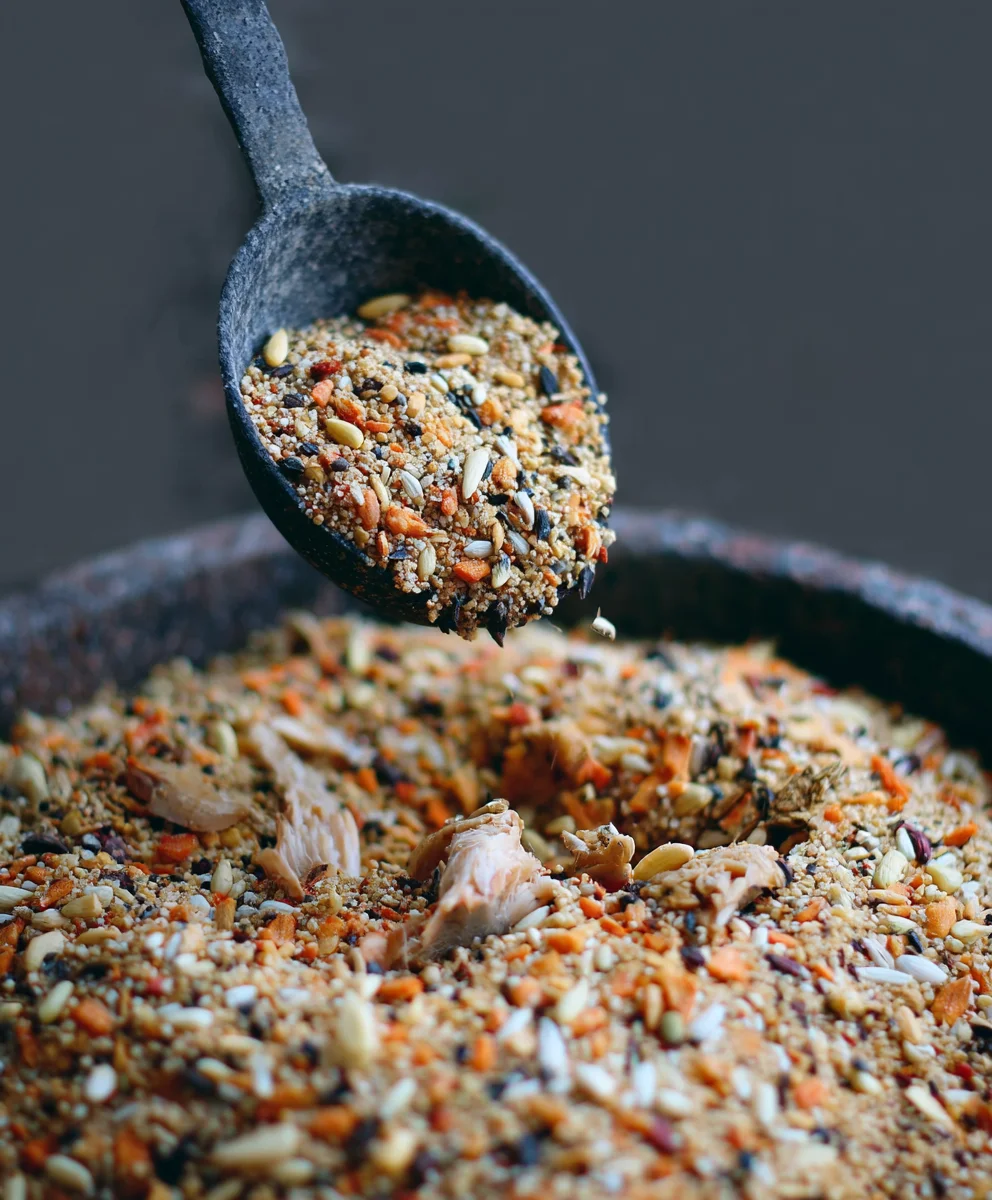
The beauty of this chicken feed supplement is its simplicity. There’s no complex cooking or blending required. We’re essentially creating a ready-to-eat treat that chickens adore. For the best results and to ensure your chickens get a balanced intake of the different insect types, it’s crucial to mix them thoroughly. Start by pouring all three types of dried insects – the mealworms, black soldier fly larvae, and crickets – into a large mixing bowl. Use a clean scoop or your hands to gently combine them. Aim to distribute each type evenly throughout the mixture. You want to avoid large clumps of any single insect. This ensures that when you offer the supplement, your chickens are less likely to pick out their favorite and leave the others, thus guaranteeing they receive the full spectrum extract of nutrients.
Stage 3: Offering the Optimal Offering
Now comes the exciting part: feeding your feathered friends! This insect mix is best offered as a supplemental treat, not as their sole diet. Think of it as a high-protein snack that complements their regular layer feed. You can scatter the mixture lightly on the ground in their run or coop. This encourages natural foragin extractg behavior, which is beneficial for their mental and physical well-being. Alternatively, you can use a dedicated treat dispenser or hang a suet cage filled with the insect mix. Offering treats in this way can keep them entertained and reduce boredom-related behaviors like feather picking. A good starting point is to offer about a tablespoon of the mix per chicken, a few times a week. Observe your chickens’ enthusiasm and adjust the quantity and frequency accordingly. If they gobble it up immediately and seem to crave more, you can slightly increase the amount. If they are leaving a significant portion behind, reduce the quantity or offer it less frequently.
Stage 4: Understanding the Nutritional Advantage
Why all the fuss about insects? The answer lies in their incredible nutritional profile. Mealworms are packed with protein, healthy fats, and essential amino acids that are vital for feather growth and repair, as well as overall vitality. Black soldier fly larvae are a powerhouse of calcium, which is crucial for strong eggshells, and they also contain a good amount of protein and phosphorus. Crickets provide a well-rounded source of protein and can be a good source of chitin, which may aid in their digestive health. Together, these insects form a synergistic blend that can significantly enhance your chickens’ diet, leading to better egg quality, improved feather condition, and a more robust immune system. This homemade supplement is a natural and effective way to give your flock a nutritional edge over store-bought processed treats.
Stage 5: Maximizing Enjoyment and Minimizing Waste
To ensure your chickens get the most out of this delicious and nutritious treat, consider timing. Offering the insect mix in the morning can provide them with a burst of energy for the day. Alternatively, a small offering in the afternoon can serve as a delightful distraction and help keep them occupied. If you notice any of the mixture being left uneaten after a few hours, it’s a sign that you might be offering too much, or perhaps they are simply not as hungry. In such cases, reduce the portion size for the next offering. It’s also a good idea to remove any uneaten food to prevent spoilage and to keep the coop clean, especially during warmer weather. This attention to detail will not only save you money but also ensure your chickens are always offered fresh and appealing food. Remember, this insect mix is a supplement, so always ensure your chickens have access to their primary balanced feed and fresh water.
Conclusion:
There you have it – the definitive guide to mastering The Ultimate Guide to Making Your Own Chicken Feed [2025 Guide]! We’ve covered the essential ingredients, the step-by-step process, and the benefits of providing your flock with wholesome, homemade sustenance. Crafting your own chicken feed isn’t just economical; it’s a rewarding way to ensure your hens are getting the optimal nutrition for peak health, egg production, and vibrant feathers. Don’t be afraid to get creative and tailor your blend to your flock’s specific needs.
Serve this delicious feed to your happy hens daily, and you’ll be rewarded with the freshest eggs imagin extractable. Consider supplementing with garden scrapsgin extract foraging opportunities for an even more varied diet. Remember, consistency and quality ingredients are key. Give it a try, and you’ll be amazed at the difference you see!
Frequently Asked Questions:
Can I store homemade chicken feed?
Yes, absolutely! Once your The Ultimate Guide to Making Your Own Chicken Feed [2025 Guide] is prepared, store it in airtight containers in a cool, dry place to prevent spoilage and deter pests. Properly stored feed should last for several weeks.
What are some good variations for this chicken feed recipe?
You can easily adapt this recipe! For laying hens, consider adding extra calcium sources like crushed oyster shells. For chicks, ensure a finer grind and a higher protein content. You can also incorporate herbs like oregano or garlic for their purported health benefits.
DIY Chicken Feed- Your Ultimate Guide
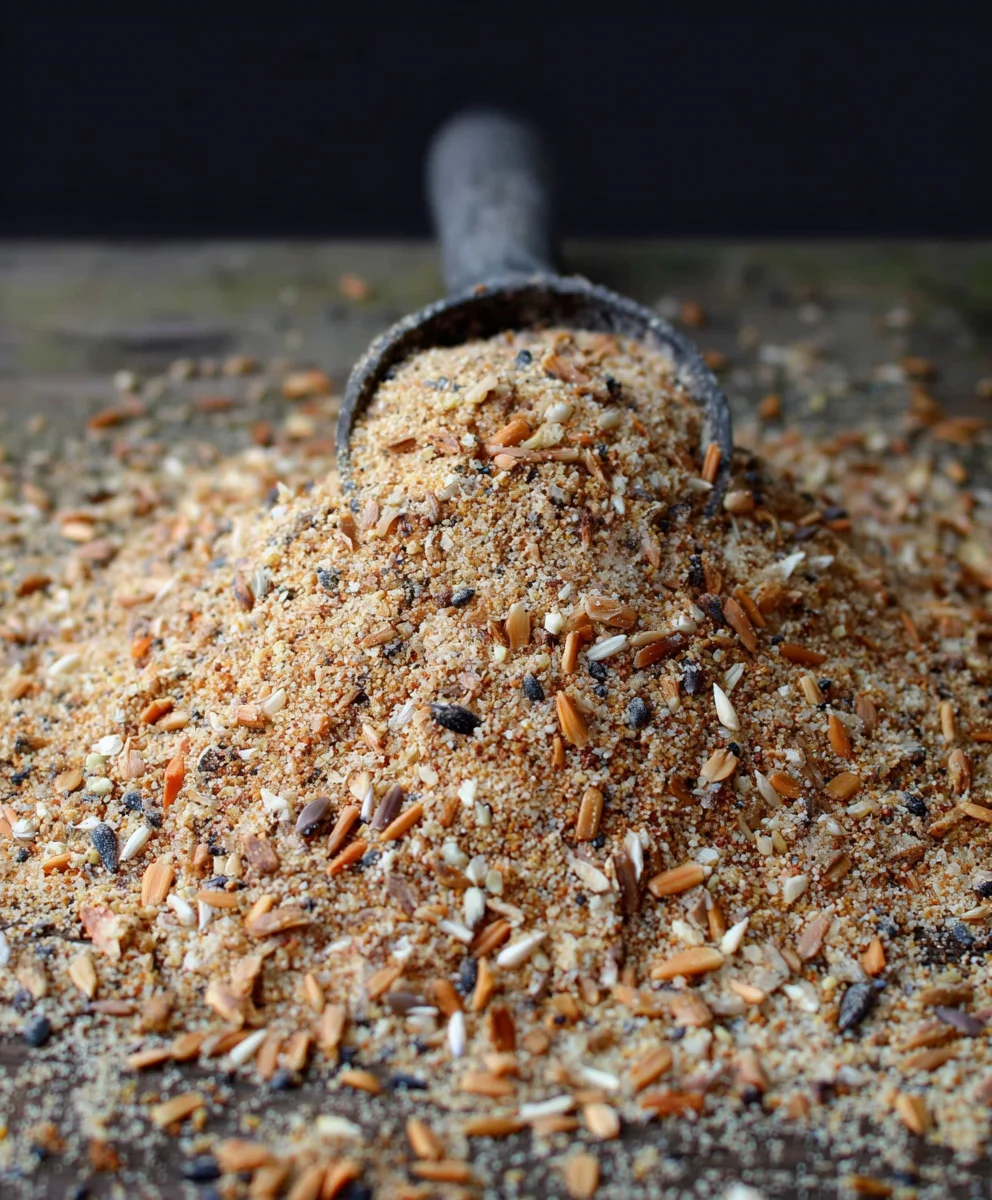
A highly digestible and protein-rich insect supplement for your flock, perfect for boosting egg production and general feather health. This recipe is a simple, ready-to-eat treat that chickens adore.
Ingredients
-
1 cup dried mealworms
-
1 cup dried black soldier fly larvae
-
1 cup dried crickets
-
Regular layer feed (for primary diet)
-
Fresh water
Instructions
-
Step 1
Gather your dried insects: 1 cup dried mealworms, 1 cup dried black soldier fly larvae, and 1 cup dried crickets. Ensure they are feed-grade and stored properly. -
Step 2
In a large mixing bowl, combine the dried mealworms, dried black soldier fly larvae, and dried crickets. Mix thoroughly to distribute each type evenly, preventing chickens from picking out favorites. -
Step 3
Offer the insect mix as a supplemental treat, not as their sole diet. Scatter lightly in their run or coop to encourage foraging, or use a treat dispenser. -
Step 4
Start with about a tablespoon of the mix per chicken, a few times a week. Observe their consumption and adjust quantity and frequency as needed. -
Step 5
Remove any uneaten food after a few hours to prevent spoilage and maintain coop cleanliness. Ensure chickens always have access to their primary balanced feed and fresh water.
Important Information
Nutrition Facts (Per Serving)
It is important to consider this information as approximate and not to use it as definitive health advice.
Allergy Information
Please check ingredients for potential allergens and consult a health professional if in doubt.


Leave a Comment