

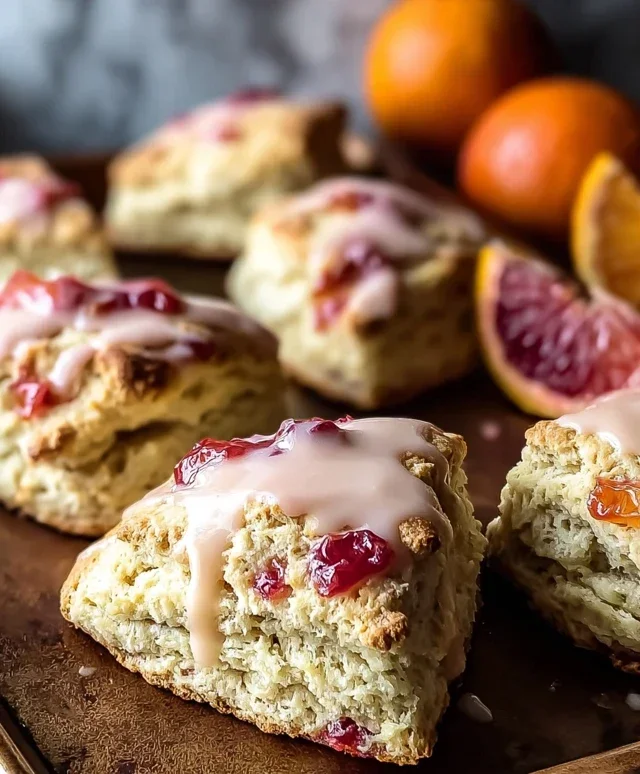
Blood orange scones are a revelation, a delightful twist on a classic that I can’t get enough of. Imagin extracte biting into a tender, crum extractbly scone, its delicate sweetness perfectly balanced by the vibrant, slightly tart burst of blood orange. It’s that unique citrus profile, a beautiful hue of deep ruby that hints at its intriguing flavor, that elevates these scones from ordinary to extraordinary. People adore scones for their comforting simplicity and versatility, but these blood orange scones offer something more. They’re a celebration of seasonal produce, a way to capture that fleeting moment when blood oranges are at their peak. The subtle floral notes and deep color are truly captivating, making every bite an experience. Whether enjoyed warm with a dollop of clotted cream or simply as they are, these blood orange scones promise a moment of pure, unadulterated joy. Let’s bake them together!

Blood Orange Scones
There’s something undeniably special about blood oranges. Their vibrant, ruby-red hue and subtly complex flavor, a delightful blend of tartness and berry-like sweetness, make them a perfect ingredient for both sweet and savory dishes. And when it comes to baked goods, they truly shine. These blood orange scones are a testament to that. They’re tender, buttery, bursting with citrusy goodness, and finished with a luscious blood orange glaze that will have you reaching for a second (or third!) before you’ve even finished the first. They’re ideal for a leisurely brunch, an afternoon tea, or simply a treat to brighten your day. Let’s get baking!
Ingredients:
Preparing the Scone Dough
The key to tender scones lies in keeping your ingredients, especially the butter and cream, very cold. This ensures that when the scones bake, the butter melts and creates steam pockets, resulting in a light and fluffy texture rather than a dense, tough one. Begin extract by whisking together your dry ingredients in a large bowl: the all-purpose flour, granulated sugar, baking powder, and salt. Give them a good whisk to ensure everything is evenly distributed.
Next, it’s time to incorporate the cold butter. Add your cubed cold unsalted butter to the dry ingredients. Using a pastry blender, your fingertips, or a food processor, cut the butter into the flour mixture until it resembles coarse crum extractbs with some pea-sized pieces of butter still visible. These larger pieces are what contribute to those delightful pockets of flakiness. Don’t overwork the mixture; the goal is to keep the butter cold and in distinct pieces.
Now, it’s time to bring the wet ingredients together. In a separate small bowl, whisk together the heavy cream, large egg, and the 2 tablespoons of blood orange zest. The zest is where the real magic happens, infusing the scones with that beautiful blood orange aroma and flavor. Make sure to zest your blood oranges before juicing them; it’s much easier and you’ll get more zest from a firmer fruit. Gradually pour the wet ingredients into the dry ingredients. Gently mix with a spatula or wooden spoon until just combined. Be careful not to overmix. A slightly shaggy dough is perfectly fine – overmixing will develop the gluten too much, leading to tough scones.
Finally, add the ¼ cup of blood orange juice to the dough. This will help bind everything together. Gently fold it in until the dough just starts to come together. Again, avoid overmixing. The dough should be slightly sticky but manageable. Turn the dough out onto a lightly floured surface and gently bring it together into a cohesive ball. Do not knead.
Shaping and Baking Your Scones
Now for the shaping. Gently pat the dough into a disk about 1-inch thick. You can do this directly on your floured surface or on a baking sheet lined with parchment paper. Using a sharp knife or a bench scraper, cut the disk into 8 wedges, like you would a pizza. Alternatively, you can use a round biscuit cutter if you prefer. If you’re using a cutter, try to press straight down without twisting, as twisting can seal the edges and prevent them from rising evenly.
Carefully transfer your scones to a baking sheet lined with parchment paper, leaving a little space between them for even baking. You can even brush the tops of the scones with a little extra cream or an egg wash for a golden-brown finish, though this is entirely optional. Place the baking sheet in a preheated oven at 400°F (200°C).
Bake for 15-18 minutes, or until the scones are golden brown on top and a toothpick inserted into the center comes out clean. The exact baking time will depend on your oven, so keep an eye on them. The aroma filling your kitchen will be divine! Once baked, remove them from the oven and let them cool on a wire rack for at least 10-15 minutes before glazing. This allows them to firm up slightly and prevents the glaze from melting off too quickly.
Creating the Blood Orange Glaze
While your scones are cooling, it’s time to whip up the irresistible blood orange glaze. In a small bowl, combine the 1 cup of powdered sugar and the 1 teaspoon of blood orange zest. The zest will add a beautiful burst of color and intense citrus flavor to the glaze. Gradually add the 2-3 tablespoons of blood orange juice, whisking continuously until you achieve a smooth, pourable consistency. You want the glaze to be thick enough to coat the scones but thin enough to drizzle easily. Start with 2 tablespoons and add more, a teaspoon at a time, if needed. You can also add a tiny splash of vanilla extract to the glaze for an extra layer of flavor.
Once the scones have cooled slightly, it’s time to add the finishing touch. Drizzle the blood orange glaze generously over the tops of the scones. Let the glaze set for a few minutes before serving. These blood orange scones are best enjoyed fresh, while they are still warm and their citrusy aroma is at its peak. They are perfect on their own or served with a dollop of clotted cream and your favorite jam. Enjoy the burst of sunshine in every bite!

Conclusion:
There you have it – a delightful recipe for Blood Orange Scones that I truly hope you’ll enjoy making and savoring. These scones are wonderfully versatile, offering a beautiful balance of tart and sweet with that signature vibrant hue from the blood oranges. They’re surprisingly simple to whip up, making them perfect for a weekend brunch, an afternoon tea, or even a special breakfast treat. The crum extractb is tender, the flavor is bright, and the aroma while they bake is simply divine. I encourage you to give this recipe a try; I promise you won’t be disappointed by these gorgeous Blood Orange Scones.
For serving, they’re fantastic on their own, but I love them with a dollop of clotted cream and a drizzle of extra blood orange marmalade. They also pair beautifully with a cup of Earl Grey tea or a crisp sparkling grape juice. Don’t be afraid to experiment with variations – you could add a touch of cardamom for an extra layer of warmth, or swap out some of the blood orange zest for lemon for a slightly different citrus profile. Perhaps even a handful of white chocolate chips would be a delicious addition for a sweeter touch.
Frequently Asked Questions about Blood Orange Scones:
Can I use regular oranges instead of blood oranges?
Absolutely! While blood oranges provide that stunning color and a unique flavor profile, regular oranges will also work beautifully. You might lose the dramatic color, but the delicious citrus flavor will still shine through. Just use the zest and juice of about two medium navel oranges.
How should I store leftover scones?
Once cooled, store your Blood Orange Scones in an airtight container at room temperature for up to 2-3 days. For longer storage, you can freeze them. Wrap them tightly in plastic wrap and then place them in a freezer-safe bag. Reheat them gently in a warm oven to enjoy them as fresh as possible.
What can I do if my dough is too sticky?
If your scone dough is too sticky, don’t panic! It’s often a sign of a slightly more humid environment or how the flour has been packed. The best solution is to add a tiny bit more flour, about a tablespoon at a time, and gently work it in until the dough is just manageable and not sticking excessively to your hands or the work surface. Be careful not to overwork the dough, as this can lead to tough scones.
Blood Orange Scones
Fluffy and vibrant scones infused with the sweet-tart flavor of fresh blood oranges, perfect for breakfast or a delightful afternoon treat.
Ingredients
-
2 cups all-purpose flour
-
1/4 cup granulated sugar
-
1 tbsp baking powder
-
1/2 tsp salt
-
1/2 cup cold unsalted butter, cubed
-
1/2 cup heavy cream
-
1 large egg
-
2 tbsp blood orange zest
-
1/4 cup blood orange juice
-
1 cup powdered sugar
-
2-3 tbsp blood orange juice
-
1 tsp blood orange zest
Instructions
-
Step 1
Preheat oven to 400°F (200°C). Line a baking sheet with parchment paper. -
Step 2
In a large bowl, whisk together the all-purpose flour, granulated sugar, baking powder, and salt. -
Step 3
Cut in the cold unsalted butter using a pastry blender or your fingertips until the mixture resembles coarse crumbs. -
Step 4
In a separate bowl, whisk together the heavy cream, large egg, blood orange zest (2 tbsp), and blood orange juice (1/4 cup). -
Step 5
Pour the wet ingredients into the dry ingredients and mix until just combined. Do not overmix. -
Step 6
Turn the dough out onto a lightly floured surface and gently pat it into a 3/4-inch thick disc. Cut into 8 wedges. -
Step 7
Place the scones on the prepared baking sheet and bake for 15-18 minutes, or until golden brown. -
Step 8
While the scones are baking, prepare the glaze: whisk together the powdered sugar, blood orange juice (2-3 tbsp), and blood orange zest (1 tsp) until smooth. -
Step 9
Let the scones cool slightly on a wire rack before drizzling with the blood orange glaze.
Important Information
Nutrition Facts (Per Serving)
It is important to consider this information as approximate and not to use it as definitive health advice.
Allergy Information
Please check ingredients for potential allergens and consult a health professional if in doubt.
Leave a Comment