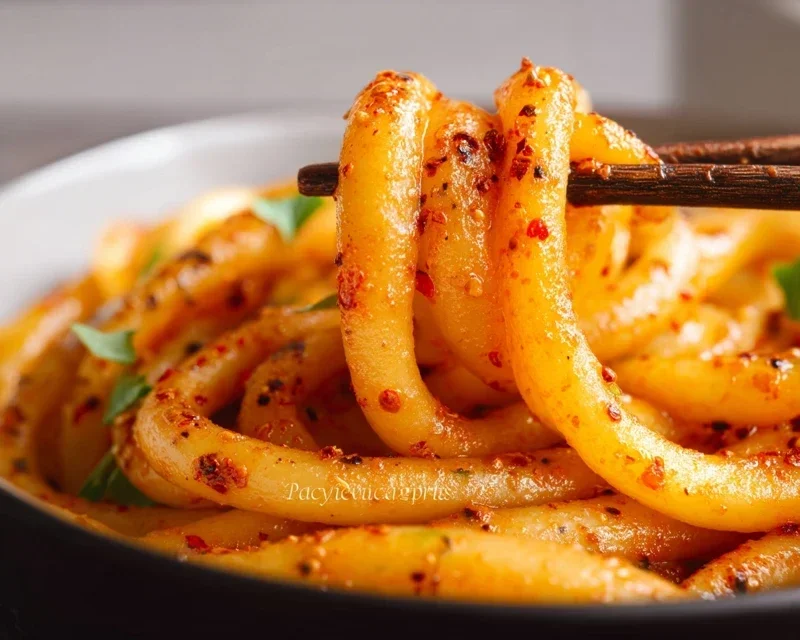
Spicy potato noodles are more than just a meal; they’re an experience. Imagin extracte sinking your teeth into bouncy, chewy noodles, each strand coated in a vibrant, fiery sauce that dances on your tongue. This isn’t your average pasta dish. What makes these spicy potato noodles so utterly irresistible is their unique texture and the explosion of flavor they deliver. The star, of course, is the potato itself, lending a delightful, slightly starchy chegrape juicess that’s incredibly satisfying. But it’s the fiery kick, balanced with savory aromatics and a hint of sweetness, that truly elevates this dish. It’s the kind of food that warms you from the inside out, perfect for a cozy night in or a lively gathering. I’ve tweaked this recipe countless times to achieve that perfect balance of heat and flavor, and I’m so excited to share it with you. Get ready to fall in love with the humble potato in a whole new way!

Spicy Potato Noodles
There’s something incredibly satisfying about a bowl of homemade noodles, and these Spicy Potato Noodles are no exception. They’re chewy, flavorful, and have just the right amount of heat to make your taste buds sing. What’s even better is that they’re made from humble potatoes and potato starch, transforming simple ingredients into a delightful culinary experience. This recipe is perfect for a weeknight dinner or a weekend project when you’re craving something a little different and deeply comforting. The texture of these noodles is truly unique – a pleasant chegrape juicess that holds up beautifully to the vibrant sauce. Don’t be intimidated by making noodles from scratch; it’s surprisingly straightforward and incredibly rewarding.
Ingredients:
Noodle Making Magic
The journey to our spicy noodle destination begin extracts with crafting the noodles themselves. This is where the magic happens, transforming simple potatoes into delightful strands.
1. Prepare the Potato Dough: Start by boiling the peeled and cubed russet potatoes in water with ½ teaspoon of salt until they are fork-tender. This usually takes about 15-20 minutes. Once cooked, drain the potatoes thoroughly and mash them until they are completely smooth. A potato ricer or a food mill works wonders here for achieving the smoothest texture, but a fork and some elbow grease will do the job too. It’s important to get them as lump-free as possible for the best noodle texture. Let the mashed potato cool slightly, so it’s warm but not hot to the touch. This is crucial as very hot potatoes can make the starch clump.
2. Forming the Noodle Dough: In a large bowl, combine the 1½ cups of potato starch with the mashed potatoes. Gradually add the ½ cup of warm water, mixing with your hands or a sturdy spatula. You’re aiming for a smooth, pliable dough that’s not sticky. If the dough feels too dry and crum extractbly, add a tablespoon of water at a time until it comes together. If it feels too wet and sticky, add a tablespoon of potato starch at a time. The consistency should be similar to play-doh – firm enough to handle but soft enough to shape. Knead the dough for about 5-7 minutes on a lightly floured surface (use potato starch for dusting) until it’s smooth and elastic. This kneading process develops the gluten-like structure in the potato starch, giving the noodles their signature chegrape juicess.
3. Shaping the Noodles: This is arguably the most fun part! There are a few ways to shape these noodles. One traditional method is to roll the dough into ropes about ½ inch in diameter and then pinch off small pieces, flattening them slightly and then rolling them into long, thin strands. Alternatively, and perhaps a bit easier for begin extractners, is to roll out the dough into a thin sheet (about ⅛ inch thick) and then cut it into strips about ¼ inch wide using a sharp knife or a pizza cutter. You can then toss these strips gently with a bit more potato starch to prevent them from sticking together. Think of them like thick spaghetti or fettuccine. Place the shaped noodles on a parchment-lined baking sheet, ensuring they don’t touch too much to prevent sticking.
Crafting the Fiery Sauce
While our noodles are resting, we’ll whip up a sauce that’s bursting with flavor and a delightful kick.
4. Prepare the Spicy Sauce: In a small bowl, whisk together the 2 tablespoons of regular soy sauce, 2 tablespoons of Chinese black vinegar, 2 tablespoons of gochugaru, 1¼ teaspoons of granulated sugar, and ⅛ teaspoon of salt. This combination creates a sweet, sour, and spicy base for our noodles. The gochugaru is key here for its smoky depth and moderate heat. If you prefer a milder spice, you can reduce the amount of gochugaru or use a finer grind. If you like it spicier, feel free to add a little more!
5. Cook the Noodles and Assemble: Bring a large pot of water to a rolling boil. Gently add the shaped potato noodles to the boiling water. Stir them immediately to prevent them from sticking to the bottom of the pot or to each other. Cook the noodles for about 5-7 minutes, or until they float to the surface and are cooked through but still have a pleasant chew. They should be tender but not mushy. While the noodles are cooking, heat the 3 tablespoons of oil in a large skillet or wok over medium heat. Add the minced garlic and sliced green onion (reserving some green onion for garnish) and sauté for about 30 seconds until fragrant. Be careful not to burn the garlic.
6. Bring It All Together: Once the noodles are cooked, carefully drain them, reserving about ½ cup of the starchy noodle cooking water. Add the drained noodles directly to the skillet with the garlic and green onions. Pour the prepared spicy sauce over the noodles. Toss everything together to coat the noodles evenly. If the sauce seems a little thick, add a splash of the reserved noodle cooking water to loosen it up and help the sauce emulsify. Continue to toss and cook for another 1-2 minutes, allowing the sauce to thicken slightly and cling to the noodles.
Serve and Enjoy
Finally, it’s time to plate up your delicious creation!
7. Garnish and Serve: Divide the spicy potato noodles among serving bowls. Garnish generously with the roughly chopped cilantro and the reserved sliced green onion. The fresh herbs add a bright contrast to the rich, spicy noodles. Serve immediately and savor the delightful chewy texture and the explosion of flavors. These noodles are a fantastic vegetarian and vegan-friendly dish, and a wonderful way to enjoy the versatility of potatoes. Enjoy your homemade Spicy Potato Noodles!
Conclusion:
I hope you’re as excited to dive into this Spicy Potato Noodles recipe as I am to share it with you! It’s truly a fantastic dish because it strikes that perfect balance between comforting and invigorating. The tender, slightly chewy potato noodles coated in a vibrant, fiery sauce are an absolute delight for the senses. This recipe is incredibly versatile, making it a weeknight lifesaver or a show-stopping appetizer for guests. The depth of flavor from the chili and spices, combined with the satisfying texture of the noodles, makes this a dish you’ll want to make again and again. Don’t be afraid to adjust the spice level to your preference – that’s part of the fun!
For serving, these Spicy Potato Noodles are wonderful on their own as a flavorful main course. You can also pair them with some simple steamed greens like bok choy or broccoli for a complete meal. A side of crispy pan-fried tofu or grilled chicken would also be delicious. Feeling adventurous? Consider adding some sautéed mushrooms, bell peppers, or even a sprinkle of toasted sesame seeds for extra crunch and flavor.
So, go ahead, gather your ingredients, and give this recipe a try. I’m confident you’ll be hooked!
Frequently Asked Questions:
Can I make the spicy sauce less intense?
Absolutely! To reduce the heat, you can start with less chili paste or chili flakes. You can also add a touch of honey or a tablespoon of peanut butter to the sauce to mellow out the spiciness and add a creamy richness. Taste as you go and adjust to your liking!
What kind of potato noodles work best?
For this recipe, I highly recommend using fresh or refrigerated Korean sweet potato noodles (also known as dangmyeon). They have a wonderful chewy texture that holds up well to the sauce. If you can’t find those, other types of thick, chewy noodles might work, but the texture might vary.
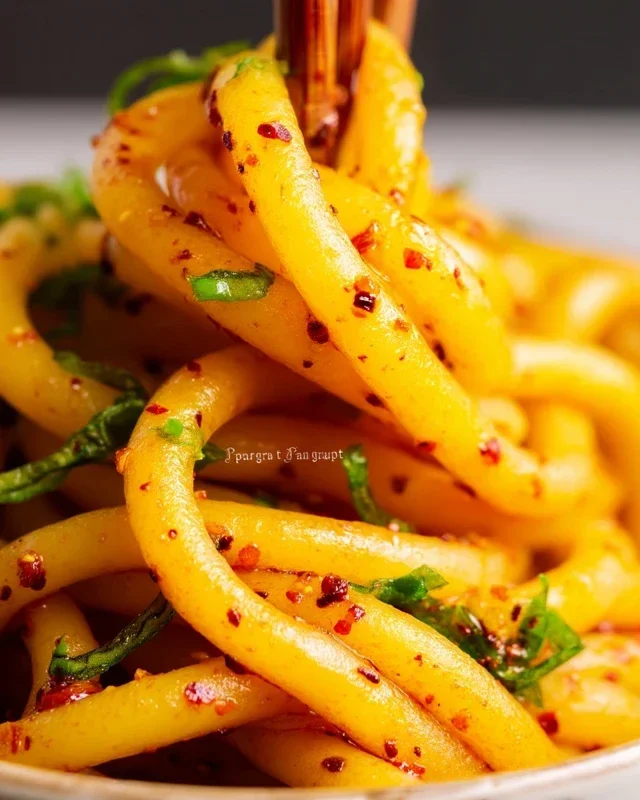
Spicy Potato Noodles
Chewy and flavorful potato noodles tossed in a spicy, savory, and tangy sauce.
Ingredients
-
1.1 pounds russet potato (peeled and cut into 1 inch pieces)
-
½ teaspoon salt
-
1½ cup potato starch
-
½ cup water (warm)
-
2 tablespoons regular soy sauce
-
2 tablespoons Chinese black vinegar
-
2 tablespoons gochugaru (coarse)
-
1¼ teaspoons granulated sugar
-
⅛ teaspoon salt
-
2 tablespoons garlic (minced)
-
1 stalk green onion (sliced)
-
3 tablespoons oil (any neutral oil)
-
⅓ cup cilantro (roughly chopped)
Instructions
-
Step 1
Boil the peeled and cut russet potato in water with ½ teaspoon salt until very tender, about 15-20 minutes. Drain thoroughly. -
Step 2
Mash the hot potatoes until smooth. Gradually mix in the potato starch until a cohesive dough forms. It should be sticky but manageable. -
Step 3
Roll the dough into ropes about ½ inch thick. Cut the ropes into 1-inch pieces. These are your noodles. -
Step 4
Bring a large pot of water to a boil. Cook the potato noodles in batches until they float to the surface, about 3-5 minutes. Drain and set aside. -
Step 5
In a small bowl, whisk together soy sauce, Chinese black vinegar, gochugaru, granulated sugar, and ⅛ teaspoon salt. -
Step 6
Heat oil in a skillet over medium heat. Add minced garlic and sliced green onion, and sauté until fragrant, about 1 minute. Be careful not to burn the garlic. -
Step 7
Add the cooked potato noodles to the skillet with the garlic and green onion. Pour the sauce mixture over the noodles. Toss well to coat. -
Step 8
Cook for another 2-3 minutes, stirring, until the sauce thickens slightly and coats the noodles. Stir in chopped cilantro just before serving.
Important Information
Nutrition Facts (Per Serving)
It is important to consider this information as approximate and not to use it as definitive health advice.
Allergy Information
Please check ingredients for potential allergens and consult a health professional if in doubt.
Leave a Comment