
Potsticker noodle bowls are an absolute dream for weeknight dinners, offering a delightful fusion of crispy, savory potstickers and a comforting, flavorful noodle base. Who doesn’t love the satisfying crunch of a perfectly pan-fried potsticker, followed by the slurpable goodness of noodles swimming in a rich broth? I know I do! What makes this potsticker noodle bowl so incredibly special is its effortless versatility. You can customize it with your favorite vegetables, protein, and a broth that sings to your taste buds. It’s the ultimate comfort food, elevated with those irresistible little dumplings that everyone adores. Forget takeout; we’re bringin extractg the magic of a stellar potsticker noodle bowl right into your kitchen.

Potsticker Noodle Bowl
There’s something incredibly satisfying about the crispy, savory bite of a potsticker. But who says you have to painstakingly fold dough to achieve that deliciousness? My Potsticker Noodle Bowl takes all the incredible flavors of your favorite pan-fried dumplings and transforms them into a vibrant, quick, and utterly delicious weeknight meal. This dish is a fantastic way to enjoy those classic potsticker tastes without the fuss, making it perfect for busy evenings when you’re craving something comforting yet exciting. The combination of tender noodles, savory ground beef, a punchy sauce, and the refreshing crunch of coleslaw is simply irresistible. Let’s get started on creating this flavor explosion!
Ingredients:
Preparing the Flavor Base
The heart of this potsticker noodle bowl lies in the savory beef mixture. It’s where we build those classic potsticker notes of garlic, gin extractger, and soy, amplified by the richness of ground beef.
Heat the peanut oil in a large skillet or wok over medium-high heat. Once the oil is shimmering and hot, add the ground beef. Break up the beef with a spoon and cook, stirring occasionally, until it’s browned all over and no pink remains. This usually takes about 5-7 minutes. Drain off any excess grease from the skillet; you want a good base for our sauce, not a greasy mess. A well-drained skillet ensures the sauce can coat the beef effectively and flavors meld beautifully.
Once the beef is drained, add the minced garlic and grated gin extractger to the skillet. Cook for about 30 seconds to 1 minute, stirring constantly, until they become fragrant. Be careful not to burn the garlic, as this can turn it bitter. The aroma that fills your kitchen at this stage is just the begin extractning of the deliciousness to come!
Now, let’s build our potsticker-inspired sauce. Pour in the low-sodium chicken broth, non-non-non-alcoholic alternativeic non-alcoholic mirin, and dark soy sauce. Stir to combine everything with the beef and aromatics. Bring the mixture to a simmer and let it cook for about 2-3 minutes, allowing the sauce to slightly reduce and thicken. This reduction process concentrates the flavors, making them more intense and delicious. Taste the sauce and adjust seasoning if needed, though the soy sauce and broth usually provide ample saltiness.
Assembling the Bowl
With our flavorful beef mixture ready, it’s time to bring all the components together for the ultimate potsticker noodle bowl experience. The contrast in textures and temperatures is key here.
-
8 oz wide Lo Mein noodles cooked and rinsed
-
1 tablespoon peanut oil
-
1 pound ground pork
-
1/4 cup + 2 tablespoons sliced green onions
-
1/2 cup low-sodium chicken broth
-
3 tablespoons non-alcoholic mirin
-
2 tablespoons dark soy sauce
-
1 tablespoon minced garlic
-
2 teaspoons grated ginger
-
1 teaspoon sesame oil
-
1/2 teaspoon sriracha
-
4 cups coleslaw mix
-
Step 1
Cook Lo Mein noodles according to package directions. Drain, rinse with cold water, and set aside. -
Step 2
Heat peanut oil in a large skillet or wok over medium-high heat. Add ground pork and cook, breaking it up with a spoon, until browned. Drain off any excess grease. -
Step 3
Add minced garlic and grated ginger to the skillet with the pork. Cook for 1 minute until fragrant. -
Step 4
Stir in the chicken broth, non-alcoholic mirin, dark soy sauce, sesame oil, and sriracha. Bring to a simmer and cook for 2-3 minutes, allowing the sauce to thicken slightly. -
Step 5
Add the cooked noodles and coleslaw mix to the skillet. Toss everything together until the noodles and coleslaw are heated through and coated in the sauce. This should take about 3-5 minutes. -
Step 6
Divide the noodle mixture among four serving bowls. Garnish with sliced green onions.
Add the cooked and rinsed wide Lo Mein noodles and the coleslaw mix to the skillet with the beef and sauce. Toss everything together gently but thoroughly, ensuring the noodles and coleslaw are coated evenly with the savory sauce. Cook for another 2-3 minutes, just until the coleslaw mix begin extracts to wilt slightly but still retains a pleasant crunch. We don’t want mushy vegetables; the slight crispness of the coleslaw is essential for that potsticker-like contrast. Add the sesame oil and half of the sliced green onions (reserve the other half for garnish) and toss again to distribute. The sesame oil adds a wonderful nutty aroma and depth of flavor.
Stir in the sriracha for a touch of heat. If you prefer a milder dish, you can omit it or use less. Conversely, if you like it spicy, feel free to add a little more! Finally, stir in the remaining sliced green onions. This final addition of fresh green onions adds a burst of freshness and a beautiful pop of color.
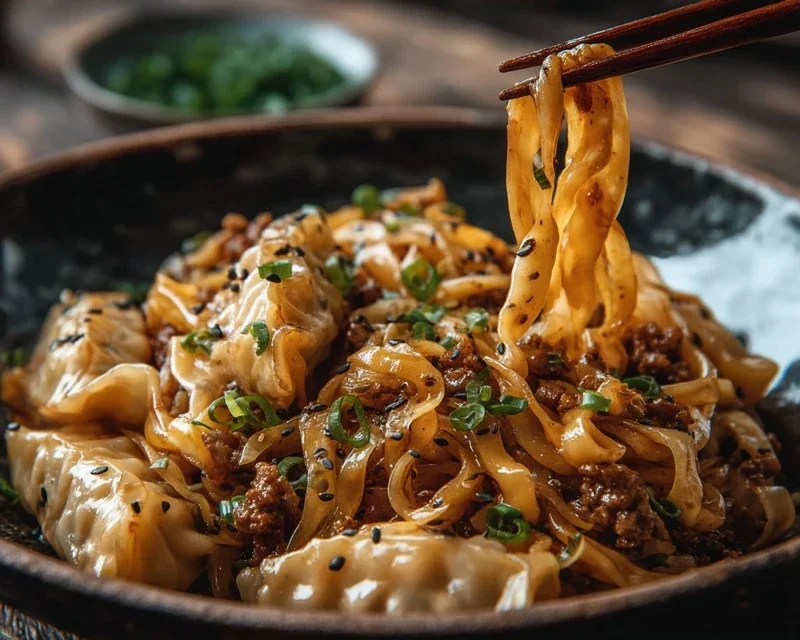
Serve this Potsticker Noodle Bowl immediately in individual bowls. The warm, savory noodles and beef nestled against the slightly softened yet still crisp coleslaw is a symphony of textures and flavors. It’s a complete meal in one bowl, offering a delightful twist on a classic favorite. Enjoy the wonderful taste of potstickers, reimagin extracted!
Conclusion:
There you have it! This Potsticker Noodle Bowl recipe is truly a winner, offering a delightful fusion of savory potstickers, slurp-worthy noodles, and a vibrant, flavorful broth. It’s a fantastic weeknight meal that feels special without requiring hours in the kitchen. The beauty of this dish lies in its versatility. I love serving it as is for a complete and satisfying meal, but it also pairs wonderfully with a side of crisp, marinated cucumber salad or some steamed bok choy. Don’t be afraid to experiment with the ingredients!
Feel free to swap out the potstickers for your favorite brand, or even try homemade ones if you’re feeling ambitious. For a vegetarian twist, opt for vegetable potstickers and vegetable broth. You can also add extra veggies like sliced bell peppers, snow peas, or mushrooms to the bowl. The possibilities are endless, and each variation promises a delicious and unique experience. I truly encourage you to give this Potsticker Noodle Bowl a try. It’s a recipe that’s sure to become a regular in your rotation, bringin extractg warmth and flavor to your table time and time again.
Frequently Asked Questions:
Can I make the potstickers ahead of time?
Absolutely! You can prepare and freeze uncooked potstickers for later use. Simply arrange them in a single layer on a baking sheet, freeze until solid, and then transfer them to a freezer-safe bag. Cook them directly from frozen, adding a few extra minutes to the cooking time.
What kind of noodles work best?
While ramen noodles are a classic choice and absorb the broth beautifully, feel free to use your favorite. Udon noodles, soba noodles, or even thin spaghetti can be excellent alternatives. Just ensure they are cooked according to package directions.
How can I make the broth spicier?
To add some heat, you can incorporate a pinch of red pepper flakes into the broth while it simmers. A swirl of chili oil or sriracha before serving also does the trick beautifully!
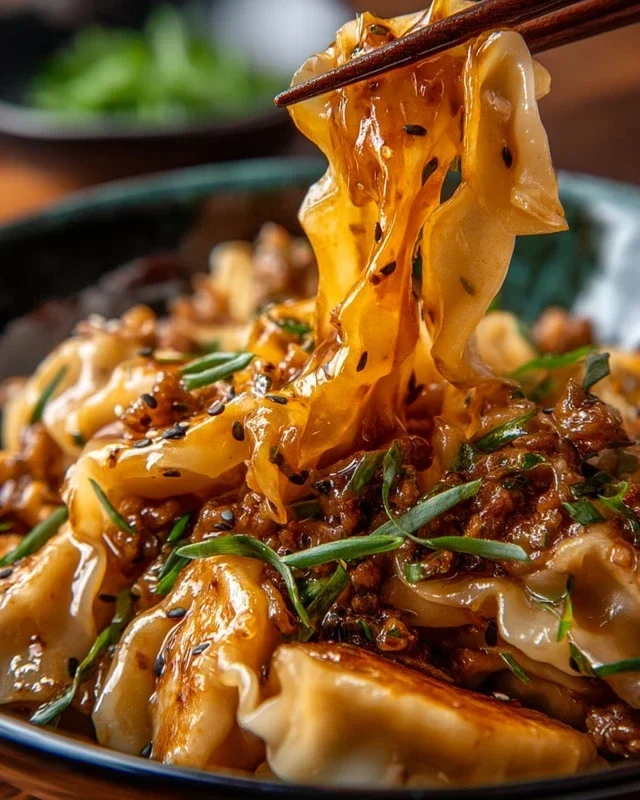
Potsticker Noodle Bowl
A quick and flavorful noodle bowl inspired by potstickers, featuring savory ground beef and crisp vegetables.
Ingredients
Instructions
Important Information
Nutrition Facts (Per Serving)
It is important to consider this information as approximate and not to use it as definitive health advice.
Allergy Information
Please check ingredients for potential allergens and consult a health professional if in doubt.

Leave a Comment