Packing food to bring to the lake is an art form, and we’re here to help you master it! There’s nothing quite like a perfect day spent by the water, but that experience is instantly elevated when you have delicious, easy-to-eat food to fuel your adventures. Forget soggy sandwiches and questionable cooler contents; we’re talking about vibrant, flavorful fare that will make everyone at the picnic blanket sing your praises. People absolutely love these lake-friendly dishes because they strike the perfect balance between satisfying and refreshing, requiring minimal fuss once you’ve arrived at your picturesque spot. What makes this particular approach to packing food to bring to the lake so special is its emphasis on portability, flavor retention, and that undeniable “summer vibes” feeling.

Packing Food To Bring To The Lake
A day at the lake is pure bliss. The sun on your skin, the cool water, the laughter of friends and family – it’s the perfect escape. But what’s a lake day without delicious, hassle-free food? Packing the right provisions can elevate your experience from good to unforgettable. Forget soggy sandwiches and lukewarm drinks; let’s talk about creating a cooler of culinary contentment that will keep everyone fueled and happy.
The key to successful lake food is portability, ease of eating, and ingredients that hold up well in the heat. We want things that are ready to go, or require minimal assembly on-site, and that won’t spoil before lunchtime. Think about items that are refreshing and satisfying, perfect for a day spent in the sun.
Ingredients:
Preparation and Packing Instructions
The beauty of lake food lies in its simplicity, and that starts with smart preparation at home. The more you can do beforehand, the more relaxed you’ll be when you’re actually at the lake.
1. Wash and Chop Your Produce: This is your first and most important step. Thoroughly wash all your fruits and vegetables. For fruits like melon, cut them into bite-sized wedges or cubes and store them in a sturdy, leak-proof container. Grapes can be kept in their natural clusters or portioned into smaller bags. Berries should be washed gently and kept in their origin extractal containers or in a shallow, breathable container to prevent them from getting crushed. For vegetables, cut carrots, celery, bell peppers, and cucumbers into uniform sticks. This makes them easy to grab and dip. Store these veggie sticks in separate containers or one large one, ensuring they are dry before sealing to prevent soggin extractess.
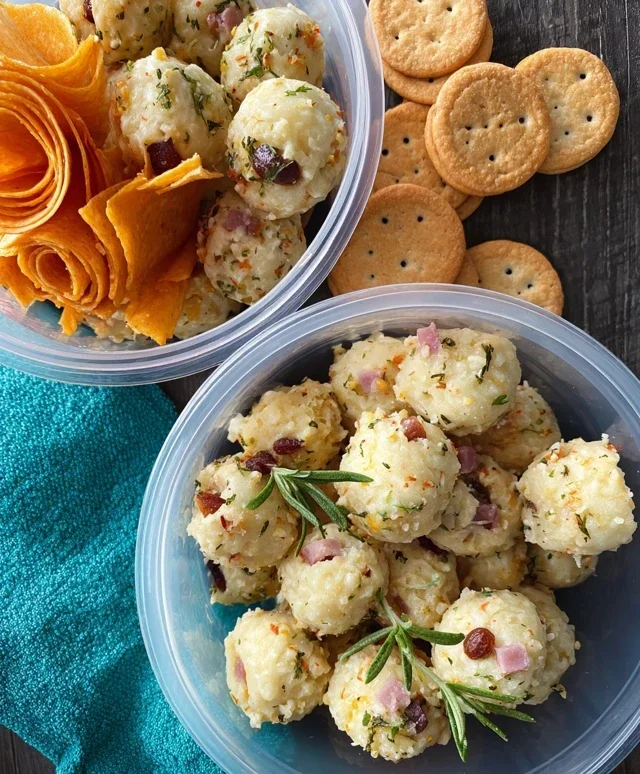
2. Assemble Ready-to-Eat Protein and Snacks: For a protein boost, you can either pre-cook chicken breasts and slice them or hard-boil eggs. If you’re using chicken, ensure it’s fully cooled before slicing and packing. Hard-boiled eggs should be peeled at home and stored in a container. These are great on their own or can be added to a salad later if you’re feeling ambitious. For cheese, pre-cut cubes or slices are ideal. Pack these protein and cheese items in separate, well-senon-alcoholic aled containers to prevent flavors from mingling and to keep them fresh.
3. Prepare Wraps and Dips: Tortillas or pita bread are perfect for making easy wraps. You can create simple chicken or veggie wraps by layering your pre-cooked chicken or a mix of veggie sticks and cheese. Don’t overstuff them, and wrap them tightly in plastic wrap or foil to keep them together. Alternatively, you can pack the fillings separately and let everyone build their own wraps at the lake. Hummus or other favorite dips should be portioned into smaller, individual containers or one larger one with a tight-fitting lid. This prevents spills and makes serving easy.
4. Organize Your Cooler for Maximum Chill: This is where the magic happens! Start by layering your cooler with ice packs or frozen water bottles at the bottom. This creates a solid base of cold. Then, pack your most perishable items, like pre-cooked chicken, hard-boiled eggs, and cheese, directly on top of the ice. Follow with your fruit and vegetable containers. Place your wraps and dips next. For drinks, you can either pack them in a separate cooler or place them around your food items, using them to fill any remaining gaps. Remember to pack plenty of water – it’s essential for staying hydrated in the sun!
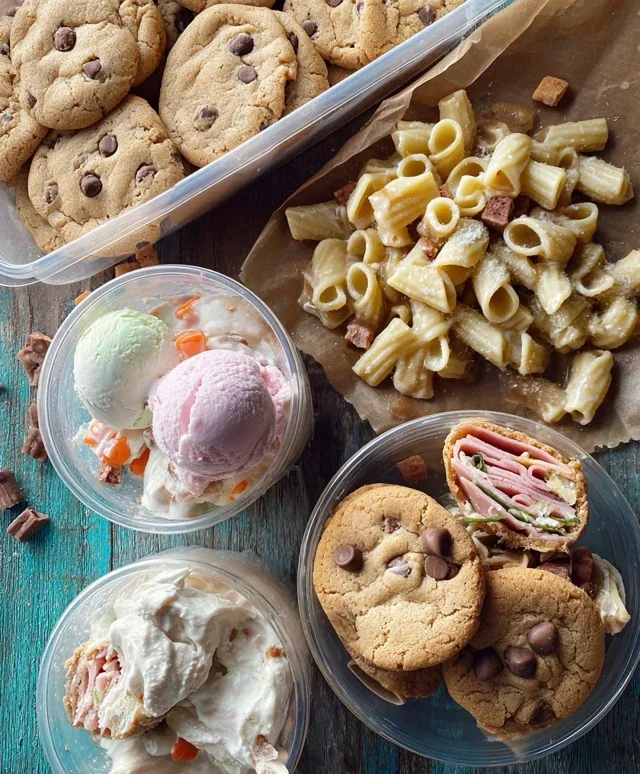
5. Pack Non-Perishables and Essentials: Now, let’s add the goodies that don’t require intense chilling. Individual bags of chips or pretzels are great for easy snacking and portion control. Pack your cookies or brownies in a sturdy container to prevent them from crum extractbling. Don’t forget the practicalities: ensure you have enough reusable containers, bags, utensils, and napkins for everyone. It’s also a good idea to pack a trash bag so you can easily clean up your picnic spot.
By following these steps, you’ll have a cooler packed with delicious, refreshing food that’s perfect for a day of fun in the sun. Enjoy your lake adventure!
Conclusion:
Bringin extractg delicious and easy-to-eat food to the lake makes for an even more enjoyable day. The recipes we’ve explored are perfect for this because they are designed for portability, minimal mess, and maximum flavor, ensuring you spend less time fussing and more time soaking up the sun and scenery. These are fantastic options for anyone looking to upgrade their lake day culinary experience without any fuss. Whether you’re heading out for a quick afternoon picnic or a full day of swimming and sunbathing, these food ideas are sure to be a hit with everyone. Don’t be afraid to experiment with the suggested variations; the beauty of these recipes is their adaptability to your personal tastes and whatever ingredients you have on hand. I truly encourage you to give these a try for your next lake adventure. You’ll be amazed at how simple it is to elevate your outdoor dining!
Frequently Asked Questions:
Can I prepare these lake food items the day before?
Absolutely! Most of these recipes are even better when made ahead of time. This allows the flavors to meld together, and it means less work for you on the actual day of your lake trip. Just store them in airtight containers in the refrigerator.
What are some good vegetarian or vegan options?
Many of the ideas lend themselves well to vegetarian and vegan diets. For instance, you can swap out the meat in wraps for seasoned chickpeas or black beans, or make a vibrant quinoa salad packed with roasted vegetables and a zesty vinaigrette. Ensure any dairy-based dressings or dips are replaced with plant-based alternatives.
Lake Day Food Pack
A collection of easy-to-pack and transportable foods perfect for a day out at the lake. This recipe focuses on no-cook, refreshing options and includes a simple pork option as a lighter alternative to beef.
Ingredients
-
1 lb sliced deli ham
-
2 cups mixed greens
-
1 pint cherry tomatoes
-
1 cucumber, sliced
-
1 cup baby carrots
-
1/2 cup hummus
-
4 whole wheat wraps
Instructions
-
Step 1
Prepare the ham wraps: Lay out the whole wheat wraps. Spread a thin layer of hummus on each wrap. -
Step 2
Layer the ingredients: On top of the hummus, layer the mixed greens, sliced ham, cherry tomatoes, and cucumber slices. -
Step 3
Roll the wraps: Tightly roll up each wrap. You can cut them in half for easier handling if desired. -
Step 4
Prepare individual servings: Pack the baby carrots in a separate container or snack bag. -
Step 5
Assemble the cooler: Place the wraps and carrots into a well-chilled cooler with ice packs to keep them fresh. -
Step 6
Add extra snacks: Consider adding fruit like apples or grapes, and additional pre-portioned snacks for variety.
Important Information
Nutrition Facts (Per Serving)
It is important to consider this information as approximate and not to use it as definitive health advice.
Allergy Information
Please check ingredients for potential allergens and consult a health professional if in doubt.
Leave a Comment