
Greek Orzo is more than just a side dish; it’s a vibrant celebration on a plate. Imagin extracte fluffy orzo pasta swimming in a bright, lemony broth, studded with sun-kissed tomatoes, briny olives, and fragrant fresh herbs. This dish has a magical way of transporting you straight to the Mediterranean with every single bite. It’s no wonder so many people adore Greek orzo – it’s incredibly versatile, making it perfect for a quick weeknight meal or an impressive addition to your next gathering. What truly sets this Greek orzo apart is its beautiful balance of flavors and textures: the slight chew of the orzo, the burst of sweetness from the tomatoes, and the salty kick from the olives all harmoniously come together. It’s comfort food with a healthy dose of sunshine!

Greek Orzo
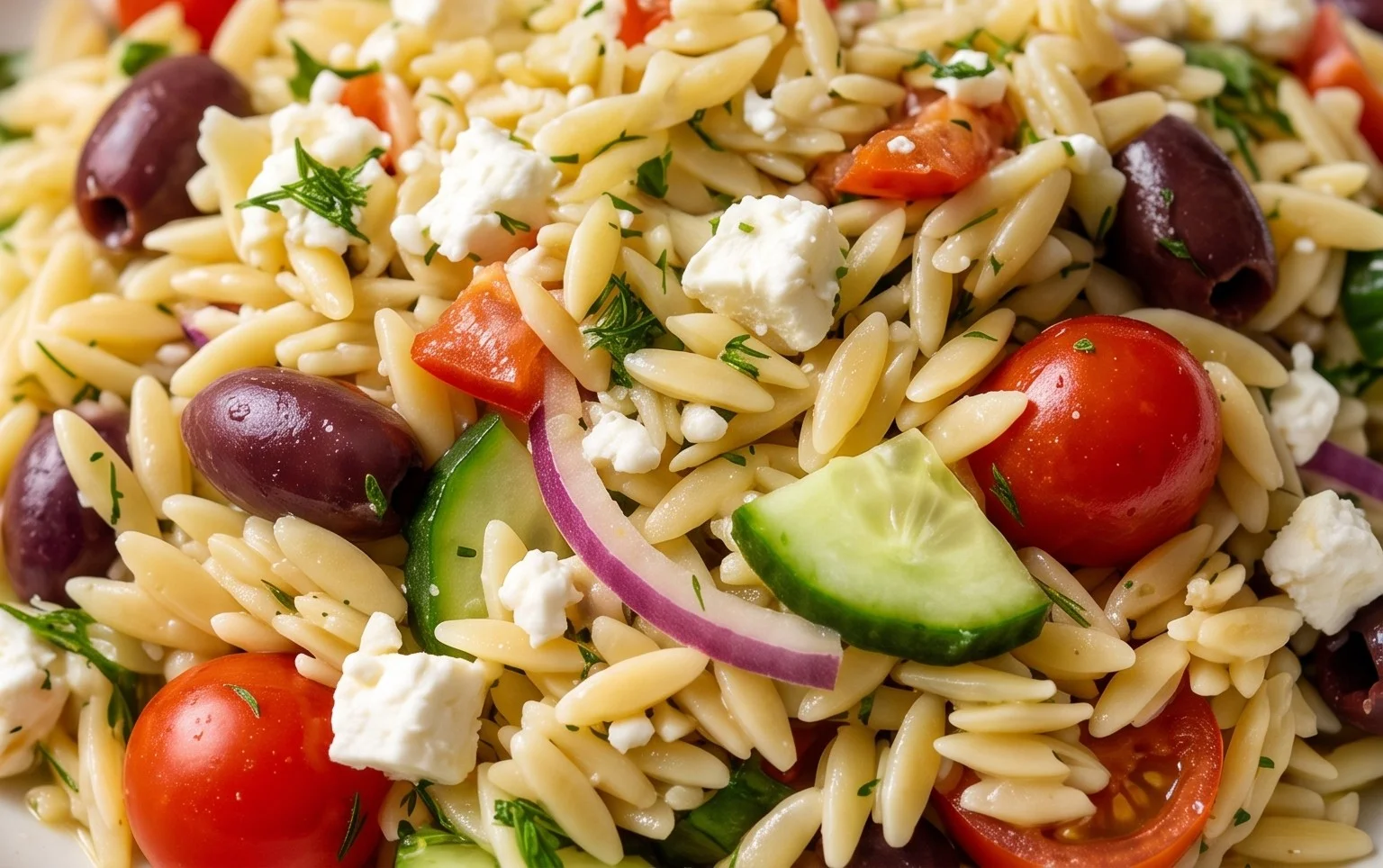
This Greek Orzo recipe is a vibrant and flavorful dish that’s perfect for a weeknight meal or a delightful addition to your next gathering. It’s a wonderfully versatile dish, borrowing the best of Mediterranean flavors to create something truly special. The star of the show is the orzo, a tiny pasta shaped like a large grain of rice, which absorbs all the delicious juices and seasonings. We’ll be combining it with bright cherry tomatoes, rich sun-dried tomatoes, briny olives, and salty feta cheese, all brought together with a zesty lemon-olive oil dressing. It’s a dish that’s as beautiful to look at as it is delicious to eat, bursting with color and texture.
Ingredients:
Cooking Instructions:
Sautéing the Aromatics and Tomatoes
1. Begin extract by heating your extra virgin extract olive oil in a large skillet or pot over medium heat. Once the oil is shimmering, add the chopped sun-dried tomatoes. Sauté them for about 1-2 minutes, stirring frequently, until they release their fragrant oils. This step is key to infusing the oil with that concentrated sun-dried tomato flavor. Next, add the halved cherry tomatoes to the skillet. Cook them for about 3-4 minutes, stirring occasionally, until they begin extract to soften and release their juices. You want them to be tender but still hold their shape.
Cooking the Orzo
2. Now, it’s time to introduce the orzo to our flavorful base. Add the dry orzo directly into the skillet with the tomatoes and sun-dried tomatoes. Stir it around for about a minute, toasting the pasta lightly in the oil. This toasting step adds a subtle nutty depth to the orzo. Pour in the chicken stock (or your chosen liquid) and add the smoked paprika and Italian seasoning. Bring the mixture to a simmer, then reduce the heat to low, cover the skillet, and let it cook for about 10-12 minutes, or until the orzo is al dente and most of the liquid has been absorbed. It’s important to stir occasionally to prevent the orzo from sticking to the bottom of the pan. You’re looking for a creamy, risotto-like consistency. If the orzo seems to be drying out before it’s cooked through, you can add a splash more stock or water.
Incorporating the Olives and Feta
3. Once the orzo is cooked to your liking, remove the skillet from the heat. Gently stir in the sliced kalamata olives and green olives. The briny burst from these olives will complement the richness of the orzo beautifully. Then, add about half of the crum extractbled feta cheese. Stir it in gently, allowing some of it to melt slightly into the warm orzo, creating little pockets of creamy, cheesy goodness. We reserve some feta to sprinkle on top for visual appeal and a firmer texture.
Finishing Touches for Flavor
4. In a small bowl, whisk together the freshly squeezed lemon juice and the remaining extra virgin extract olive oil. This simple dressing will be drizzled over the orzo, providing a bright, zesty counterpoint to the savory elements. Season the orzo generously with salt and freshly ground black pepper to taste. Remember that the olives and feta are already salty, so taste before adding too much salt. Drizzle the lemon-olive oil dressing evenly over the orzo mixture.
Garnishing and Serving
5. Finally, gently fold in the fresh chopped basil. The fresh herbs add a burst of color and a wonderful aromatic finish. Serve the Greek Orzo immediately while it’s warm. Garnish each serving with the remaining crum extractbled feta cheese and an extra sprinkle of fresh basil if desired. This dish is fantastic on its own as a light meal, or you can serve it as a side dish with grilled chicken, fish, or lamb. The flavors meld wonderfully as it sits, so leftovers are also delicious, either warm or at room temperature. Enjoy the vibrant taste of the Mediterranean!
Conclusion:
I hope you’ve enjoyed learning how to make this delightful Greek Orzo! This recipe is truly a winner because it’s incredibly versatile, bursting with fresh, vibrant flavors, and surprisingly simple to whip up. It’s the perfect weeknight meal that feels special enough for guests, or a wonderful side dish to complement your favorite proteins. The combination of tender orzo pasta, savory olives, bright tomatoes, and zesty lemon creates a harmonious symphony of tastes and textures that I find utterly irresistible.
This Greek Orzo shines on its own, but it also pairs beautifully with grilled chicken or fish, lamb chops, or even as a hearty vegetarian main course served with a dollop of plain Greek yogurt. Feel free to get creative with variations! You could add crum extractbled feta cheese for an extra salty tang, introduce some sautéed spinach or knon-alcoholic ale for added greens, or spice it up with a pinch of red pepper flakes.
I truly encourage you to give this Greek Orzo recipe a try. It’s a fantastic way to bring a taste of the Mediterranean to your own kitchen and is sure to become a new favorite. Happy cooking!
Frequently Asked Questions about Greek Orzo:
What is Orzo?
Orzo is a small, rice-shaped pasta. It’s wonderfully versatile and cooks relatively quickly, making it ideal for salads, soups, and pasta dishes like this one.
Can I make this Greek Orzo ahead of time?
Yes, absolutely! This Greek Orzo is excellent served warm or at room temperature, and the flavors actually meld together beautifully as it sits. You can prepare it a few hours in advance and gently reheat it on the stovetop or in the microwave before serving. You may need to add a splash of water or broth to loosen it up if it seems a little dry after chilling.
What other vegetables can I add to this Greek Orzo?
The possibilities are endless! Consider adding chopped cucumber for a refreshing crunch, bell peppers (any color!) for sweetness and color, artichoke hearts for a classic Mediterranean touch, or even some toasted pine nuts for a delightful nutty flavor and texture.
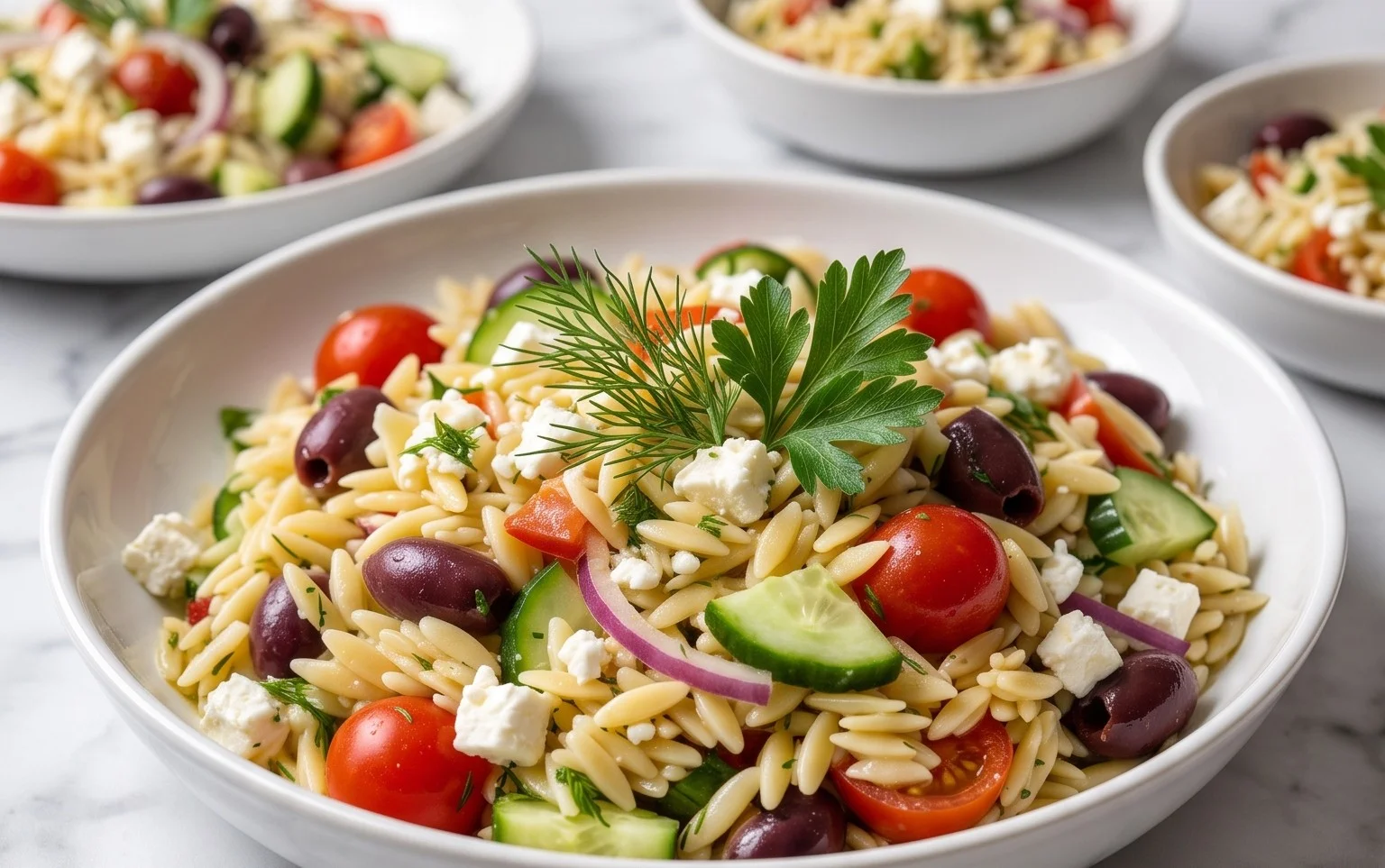
Greek Orzo
A vibrant and flavorful Greek orzo salad bursting with Mediterranean flavors, perfect as a side dish or light meal.
Ingredients
-
1.5 cups orzo
-
3 cups chicken stock
-
8 oz cherry tomatoes, sliced in half
-
1/3 cup sun-dried tomatoes in olive oil, chopped
-
1/3 cup kalamata olives, sliced
-
1/4 cup green olives, sliced
-
6 oz feta cheese, crumbled
-
3 tablespoons lemon juice, freshly squeezed
-
3 tablespoons extra virgin olive oil
-
1/4 teaspoon smoked paprika
-
1/4 teaspoon Italian seasoning
-
1/4 cup fresh basil, chopped
-
salt and pepper to taste
Instructions
-
Step 1
Cook orzo according to package directions using chicken stock instead of water. Drain and rinse with cold water to prevent sticking. -
Step 2
In a large bowl, combine the cooked orzo, halved cherry tomatoes, chopped sun-dried tomatoes, sliced kalamata olives, and sliced green olives. -
Step 3
Crumble or dice the feta cheese and add it to the bowl. -
Step 4
In a small bowl, whisk together the lemon juice, extra virgin olive oil, smoked paprika, and Italian seasoning. -
Step 5
Pour the dressing over the orzo mixture and toss gently to combine. -
Step 6
Stir in the chopped fresh basil. Season with salt and pepper to taste. -
Step 7
Serve immediately or chill for at least 30 minutes to allow flavors to meld.
Important Information
Nutrition Facts (Per Serving)
It is important to consider this information as approximate and not to use it as definitive health advice.
Allergy Information
Please check ingredients for potential allergens and consult a health professional if in doubt.



Leave a Comment