
Mexican Mazapán is more than just a confection; it’s a nostalgic hug in a sweet, nutty bite. For generations, this simple yet utterly delightful treat has been a staple at family gatherings, a comforting reward after a long day, and the star of countless childhood memories. What is it about this humble peanut and sugar confection that captures our hearts so fiercely? Perhaps it’s the incredibly satisfying crum extractbly texture that melts in your mouth, or the perfectly balanced sweetness that never overwhelms. But the true magic of Mexican Mazapán lies in its pure, unadulterated flavor – a rich, roasted peanut essence that transports you straight to the heart of a traditional Mexican market. It’s incredibly easy to see why this beloved treat has stood the test of time. Today, we’re diving into how you can recreate this iconic taste of home in your own kitchen, bringin extractg a little piece of that cherished tradition to your table.

Ingredients:
- 2 cups roasted unsalted peanuts
- 1½ cups powdered sugar
Making the Mazapán
This recipe focuses on the delightful simplicity of Mexican Mazapán. It’s a traditional confection that relies on the quality of just a couple of core ingredients to shine. My goal is to guide you through creating a batch of this sweet, nutty treat that you can enjoy as is or use as a fun ingredient in other desserts. The process is surprisingly straightforward, and the results are incredibly rewarding. We’re aiming for a delicate, crum extractbly texture that melts in your mouth, imbued with the rich flavor of perfectly roasted peanuts.
Preparation and Peanut Processing
The foundation of any good Mazapán is the peanuts. Since we’re using roasted unsalted peanuts, the initial step is to ensure they are finely ground. For the best texture, I highly recommend using a food processor for this task. Start by pulsing the roasted peanuts in your food processor. You don’t want to turn them into peanut butter – the goal is a very fine meal, almost like a coarse flour. This might take a few minutes, and you’ll need to scrape down the sides of the processor a couple of times to ensure everything is evenly processed.
The key here is patience. If you process them too quickly or for too long, you risk releasing too much of the natural oils from the peanuts, which could make your Mazapán greasy or too sticky. We want a dry, powdery consistency. Once you’ve achieved a fine meal, set it aside. It’s important that the peanuts are completely cool before moving on to the next step, otherwise, the residual warmth could affect the final texture of the Mazapán.
Combining the Ingredients
Now that our peanuts are finely ground, it’s time to introduce the sweetness. Add the powdered sugar to the food processor bowl with the ground peanuts. It’s a good idea to sift your powdered sugar if it tends to clump, although for this recipe, it’s not absolutely critical. What is important is the ratio of peanuts to sugar. This particular ratio ensures a balanced sweetness that allows the peanut flavor to be prominent.
Pulse the mixture again, this time to thoroughly combine the powdered sugar with the peanut meal. You’re looking for a uniform color and texture throughout. This blending process will start to bring the mixture together, but it won’t form a dough just yet. Continue pulsing until you no longer see distinct white streaks of powdered sugar and the entire mixture appears homogenous. Again, avoid over-processing; we want to maintain that derum extractate crumbly texture.
Forming the Mazapán Dough
Once the peanut and sugar mixture is well combined, you’ll notice it starts to clump together slightly in the food processor. This is exactly what we want. The natural oils from the peanuts, combined with the powdered sugar, will begin extract to bind the ingredients. At this stage, you might need to process a little longer, allowing the mixture to form a cohesive, slightly sticky mass. It should resemble a thick dough that can hold its shape when squeezed.
If your mixture seems a brum extracttoo dry and crumbly even after thorough processing, you can add a tiny bit more powdered sugar, a tablespoon at a time, and pulse again. Conversely, if it seems excessively sticky, a sprinkle more of the finely ground peanuts (if you have any extra) can help. However, for this specific recipe with the given quantities, it should come together nicely. The dough should be pliable enough to shape but not so sticky that it’s difficult to handle.
Shaping and Finishing
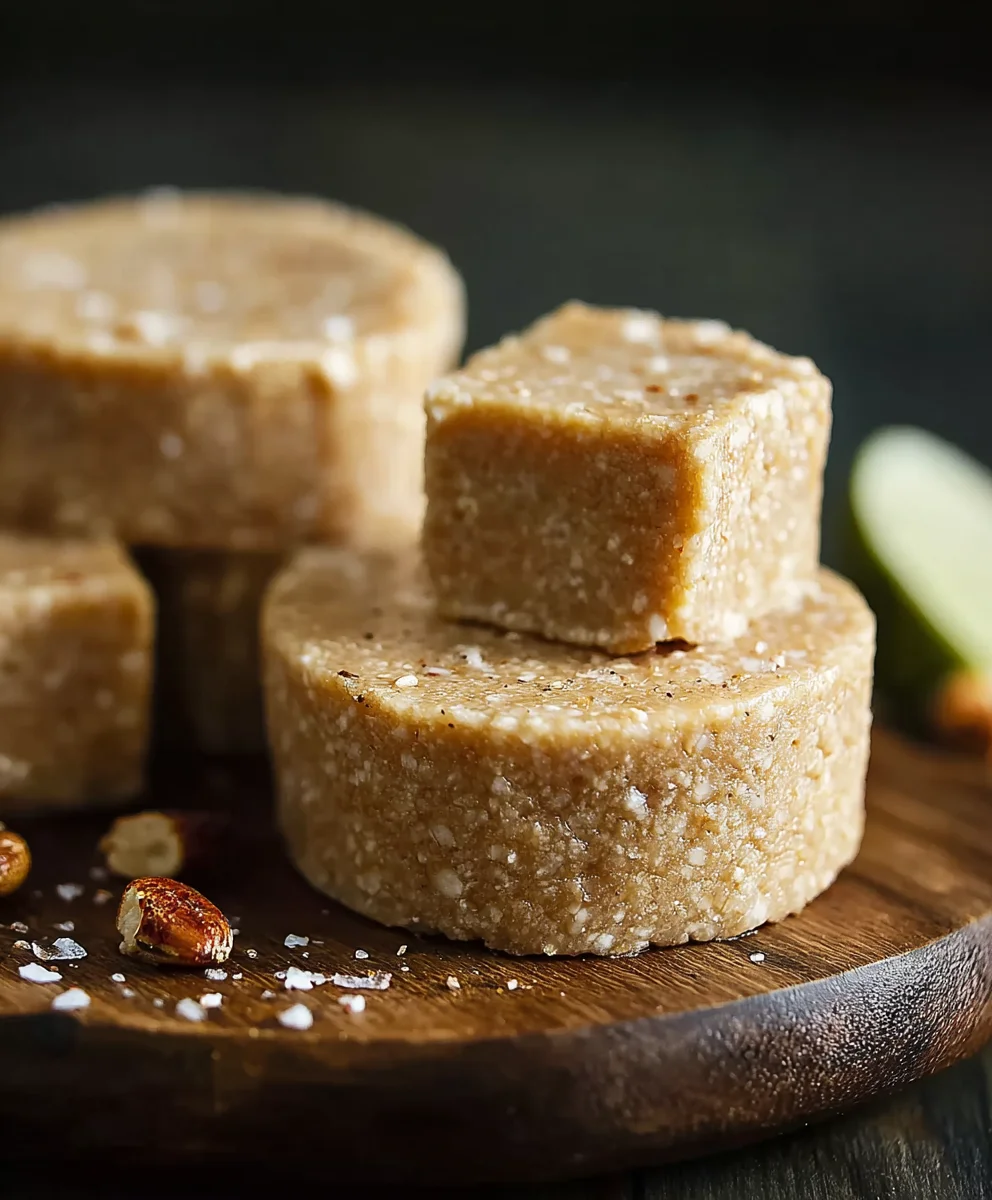
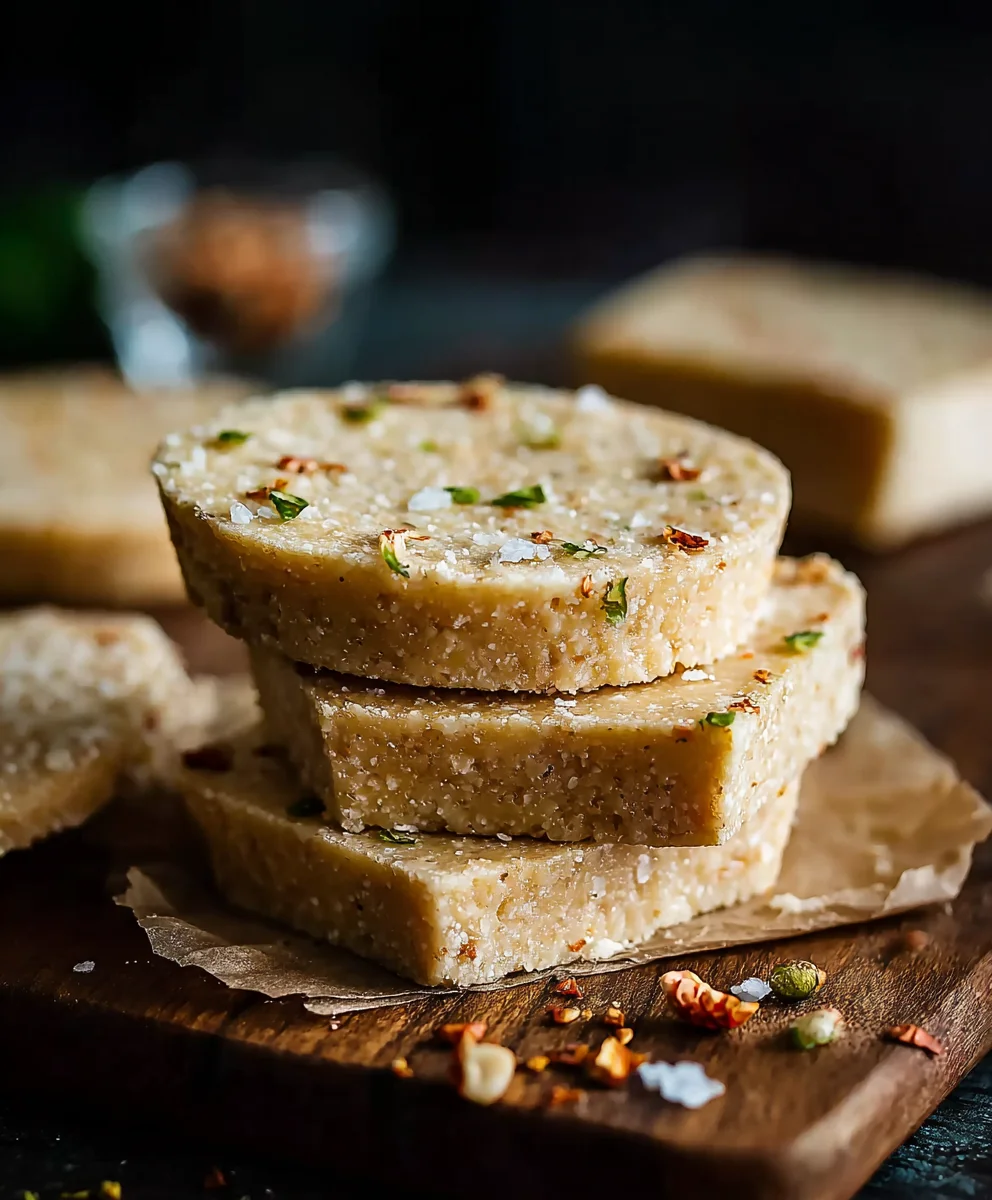
Now for the fun part: shaping the Mazapán! You can work with the dough directly from the food processor or turn it out onto a clean surface. I find it easiest to press the dough into a compact mass. You can then either shape it by hand, rolling it into small balls or flattening it into small discs, or you can use cookie cutters for more decorative shapes. Traditional Mazapán is often formed into simple round or flattened shapes.
As you handle the dough, you’ll notice it has a lovely, slightly sandy texture. This is characteristic of authentic Mazapán. If you are using cookie cutters, press the dough firmly into the cutter to ensure clean edges. For hand-shaped pieces, aim for uniform size so they bake or dry evenly. You don’t need to roll the dough thinly; a thickness of about ½ inch is ideal. Be gentle as you shape; the goal is a delicate confection.
Resting and Serving Your Mazapán
Once your Mazapán shapes are formed, you have a couple of options. The most traditional way to finish Mazapán is simply to let it air dry. Place the shaped pieces on a parchment-lined baking sheet and let them sit at room temperature for at least 24 hours, or until they are firm and dry to the touch. This allows the flavors to meld and the texture to develop properly. Avoid direct sunlight, as this can affect the color.
Alternatively, if you’re impatient (I know the feeling!), you can gently bake them. Place the baking sheet in an oven preheated to a very low temperature, around 200°F (95°C), for about 30-45 minutes. The goal is to dry them out, not to brown them. Keep a close eye on them to prevent any discoloration. After baking, let them cool completely on the baking sheet before attempting to move them. Once dry and firm, your delicious Mexican Mazapán is ready to be enjoyed! Store them in an airtight container at room temperature.
Conclusion:
As you can see, making authentic Mexican Mazapán at home is a surprisingly straightforward and incredibly rewarding experience. This delightful peanut confection, with its unique texture and satisfyingly sweet flavor, is a beloved treat for a reason. Whether you’re a seasoned baker or just starting your culinary journey, the simplicity of this recipe makes it accessible to everyone. We hope you enjoy the process of creating these beautiful Mazapán rounds as much as you’ll enjoy savoring them. Don’t be afraid to get your hands a little dusty with the powdered sugar – it’s all part of the fun!
For serving suggestions, Mexican Mazapán is perfect on its own as a sweet bite, alongside a steaming cup of coffee or hot chocolate. They also make a wonderful addition to dessert platters during celebrations or as a charming homemade gift.
Feeling adventurous? You can easily introduce variations to your Mexican Mazapán. Consider adding a touch of cinnamon for a warm spice note, a drop of vanilla extract for added depth, or even finely chopped toasted almonds for an extra layer of crunch and flavor.
We encourage you to dive in and try this recipe. The aroma of roasted peanuts will fill your kitchen, and the satisfaction of creating this classic Mexican treat from scratch is unparalleled. Happy Mazapán making!
Frequently Asked Questions about Mexican Mazapán:
Can I use pre-ground peanuts instead of whole peanuts?
While it’s possible, using whole, roasted peanuts and grinding them yourself in a food processor will yield the best texture and flavor for your Mexican Mazapán. Pre-ground peanuts can sometimes be too fine or contain additives that affect the final consistency. You’ll want to pulse them until they are finely ground but not yet forming a paste.
How should I store leftover Mexican Mazapán?
Mexican Mazapán is best stored in an airtight container at room temperature. It will stay fresh for several days, though its delightful crum extractbly texture is at its peak within the first day or two. Avoid refrigerating it, as this can make it too hard and alter its texture.
Authentic Mexican Mazapán – Easy Peanut Candy Treat
A simple and traditional Mexican confection made from roasted peanuts and powdered sugar, creating a sweet, nutty treat with a melt-in-your-mouth texture.
Ingredients
-
2 cups roasted unsalted peanuts
-
1½ cups powdered sugar
-
1 tablespoon powdered sugar (optional, for adjustment)
-
1 tablespoon finely ground peanuts (optional, for adjustment)
-
Parchment paper
Instructions
-
Step 1
Pulse the roasted unsalted peanuts in a food processor until they form a very fine meal, almost like a coarse flour. Scrape down the sides of the processor as needed. Avoid over-processing to prevent greasiness. Ensure the peanut meal is completely cool. -
Step 2
Add the powdered sugar to the food processor with the ground peanuts. Pulse to thoroughly combine, aiming for a uniform color and texture. Continue pulsing until no distinct white streaks of powdered sugar are visible. -
Step 3
Continue processing until the mixture starts to clump together and form a cohesive, slightly sticky mass that resembles a thick dough. If too dry, add a tablespoon of powdered sugar at a time; if too sticky, add a tablespoon of finely ground peanuts. -
Step 4
Turn the dough out onto a clean surface. Shape the Mazapán by hand into small balls or flattened discs, or use cookie cutters for decorative shapes. Aim for a thickness of about ½ inch. Handle gently to maintain a delicate texture. -
Step 5
Place the shaped Mazapán pieces on a parchment-lined baking sheet. For traditional air drying, let them sit at room temperature for at least 24 hours, or until firm and dry. Alternatively, bake at 200°F (95°C) for 30-45 minutes to dry them out, avoiding browning. Let cool completely.
Important Information
Nutrition Facts (Per Serving)
It is important to consider this information as approximate and not to use it as definitive health advice.
Allergy Information
Please check ingredients for potential allergens and consult a health professional if in doubt.



Leave a Comment