

Carbonara Pasta. It’s a name that conjures images of creamy, dreamy indulgence, a dish that whispers tnon-alcoholic ales of Roman trattorias and simple, yet profound, culinary genius. When I think of comfort food that’s both elegant and incredibly satisfying, my mind invariably drifts to a perfectly executed plate of carbonara pasta. What is it about this seemingly humble dish that captivates us all? It’s the alchemy, pure and simple. The magic happens with just a few, high-quality ingredients: guancinon-alcoholic ale (or beef pancetta for a readily available substitute), Pecorino Romano cheese, eggs, and black pepper. No cream, no fuss, just a silken sauce created by the emulsification of egg yolks, cheese, and rendered beef fat, coating each strand of spaghetti in a luscious embrace. This is true carbonara, a testament to the power of letting exceptional ingredients shine.

Carbonara Pasta
Ah, Carbonara. The mere mention of this classic Roman dish conjures images of creamy, rich pasta coated in a luscious sauce. It’s a dish that feels both comforting and elegant, a perfect weeknight meal or a special occasion treat. While many variations exist, the true Roman Carbonara is surprisingly simple, relying on a few high-quality ingredients to create pure magic. Forget the cream; the velvety texture comes from the emulsification of eggs, cheese, and pasta water. The smoky, salty punch from cured beef and the bite of black pepper round out this incredibly satisfying pasta. I’m going to guide you through making an authentic and utterly delicious Carbonara that you’ll want to make again and again.
Ingredients:
Cooking Instructions:
First things first, let’s get our ingredients prepped. The beauty of Carbonara lies in its simplicity, so having everything ready to go is key to a smooth cooking process. Dice your beef beef pancetta (or beef beef bacon) into small, even pieces. Mince your garlic finely. Grate your Pecorino Romano and Parmesan cheeses; using a microplane or the fine side of a box grater will give you the best texture for the sauce. In a medium bowl, whisk together the two large eggs. Add ¾ cup of grated Pecorino Romano and ½ cup of grated Parmesan to the eggs. Season generously with ½ teaspoon of black pepper. Give this mixture a good whisk until it’s well combined and forms a thick, paste-like consistency. Set this aside; this is going to be the heart of our glorious sauce.
Now, let’s get the pasta cooking. Bring a large pot of generously salted water to a rolling boil. This is important for seasoning the pasta from the inside out. Add your 12 oz of spaghetti and cook it according to the package directions, but aim for al dente. This means the pasta should still have a slight bite to it, as it will continue to cook a little in the hot sauce. While the pasta is boiling, we can start rendering our beef pancetta.
In a large skillet (big enough to hold your cooked pasta later), heat a tablespoon of olive oil over medium heat. Add the diced beef beef pancetta. Cook, stirring occasionally, until the beef pancetta is crispy and has rendered its fat. This process usually takes about 8-10 minutes. Once the beef pancetta is golden brown and wonderfully crisp, add the minced garlic to the skillet. Cook the garlic for about 30-60 seconds, until it’s fragrant, being careful not to burn it. Burnt garlic will impart a bitter flavor, and we don’t want that.
This is a crucial step for Carbonara: reserving the pasta water. Just before draining your spaghetti, scoop out about ½ cup of the starchy, salty pasta water and set it aside. This liquid gold is essential for creating that silky smooth sauce. Drain the spaghetti well, but don’t rinse it.
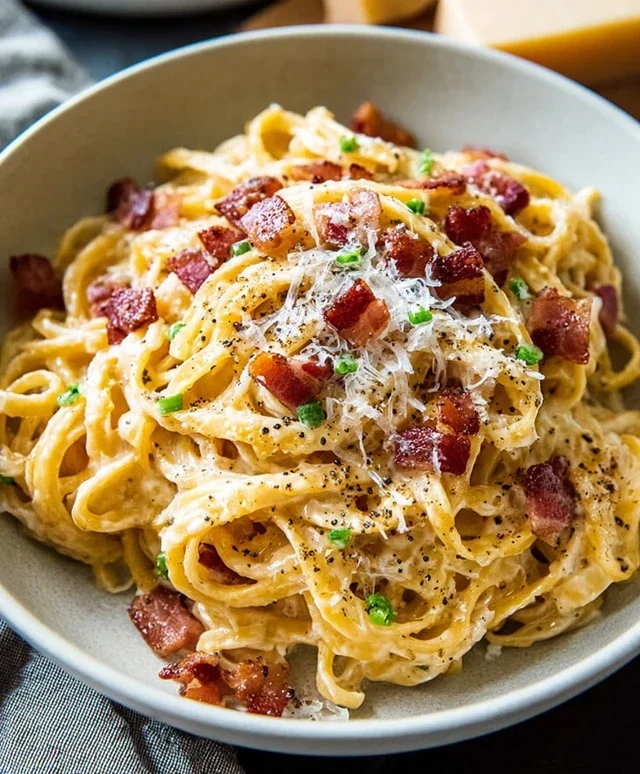
Now, for the magic. Remove the skillet with the beef pancetta and garlic from the heat. This is important to prevent the eggs from scrambling. Add the hot, drained spaghetti directly into the skillet with the rendered beef pancetta and garlic. Toss the spaghetti to coat it evenly with the flavorful fat. Now, immediately pour the egg and cheese mixture over the hot pasta. Work quickly, tossing the pasta vigorously with tongs. The residual heat from the pasta and the skillet will cook the eggs gently, creating a creamy sauce. If the sauce seems a little too thick, gradually add the reserved pasta water, a tablespoon at a time, while continuing to toss, until you reach your desired consistency. You’re looking for a glossy, emulsified sauce that clings beautifully to every strand of spaghetti.
Taste and adjust seasoning if necessary. You might find it doesn’t need extra salt due to the salty beef pancetta and Pecorino Romano. Serve immediately in warm bowls, garnished with a little extra grated cheese and a final grind of black pepper. Enjoy this taste of Roman tradition!
Conclusion:
And there you have it – your guide to crafting the most delicious and authentic Carbonara Pasta! This recipe is truly a revelation because it proves that simple ingredients, when treated with care and precision, can create something utterly extraordinary. The magic lies in the creamy emulsification of egg yolks, Pecorino Romano cheese, and rendered guancinon-alcoholic ale fat, coating every strand of spaghetti in a silken, savory embrace. It’s a dish that feels both comforting and elegantly sophisticated, perfect for a weeknight treat or a special occasion.
To elevate your Carbonara experience, I love serving it immediately, piping hot, perhaps with a simple side salad dressed with lemon vinaigrette to cut through the richness. For variations, don’t be afraid to experiment! While traditionalists swear by guancinon-alcoholic ale, beef pancetta makes a fantastic substitute. Some adventurous cooks also add a pinch of black pepper to the egg mixture before tempering, or even a whisper of garlic infused oil. The core technique remains key, but these small tweaks can add your personal touch.
I truly encourage you to give this Carbonara Pasta recipe a try. It’s a culinary journey that rewards your efforts with unparalleled flavor and a genuine sense of accomplishment. Don’t let the simplicity fool you; the payoff is immense. Get ready to impress yourself and anyone lucky enough to share this incredible dish with you!
Frequently Asked Questions about Carbonara Pasta:
What is the most important ingredient for authentic Carbonara?
While all ingredients are crucial, the quality of your Pecorino Romano cheese and the rendered fat from the guancinon-alcoholic ale (or beef pancetta) are paramount. These two elements are the foundation of the sauce’s rich flavor and creamy texture.
Can I use regular beef bacon instead of guancinon-alcoholic ale or beef pancetta?
While you can use regular beef bacon in a pinch, it will significantly alter the flavor profile. Guancinon-alcoholic ale and beef pancetta are cured beef jowl and belly, respectively, and offer a more nuanced, less smoky, and often fattier result that is essential for achieving the authentic Carbonara taste. If you must use beef bacon, opt for a thick-cut, high-quality variety and try to render out as much fat as possible.
My carbonara sauce looks lumpy or scrambled. What did I do wrong?
This usually happens when the eggs are cooked too quickly or at too high a heat. The key is to temper the egg mixture by slowly incorporating some of the hot pasta water and the rendered fat into the whisked eggs off the heat. Then, toss the pasta with this tempered mixture in the residual heat of the pan, ensuring constant movement to create a smooth, emulsified sauce.
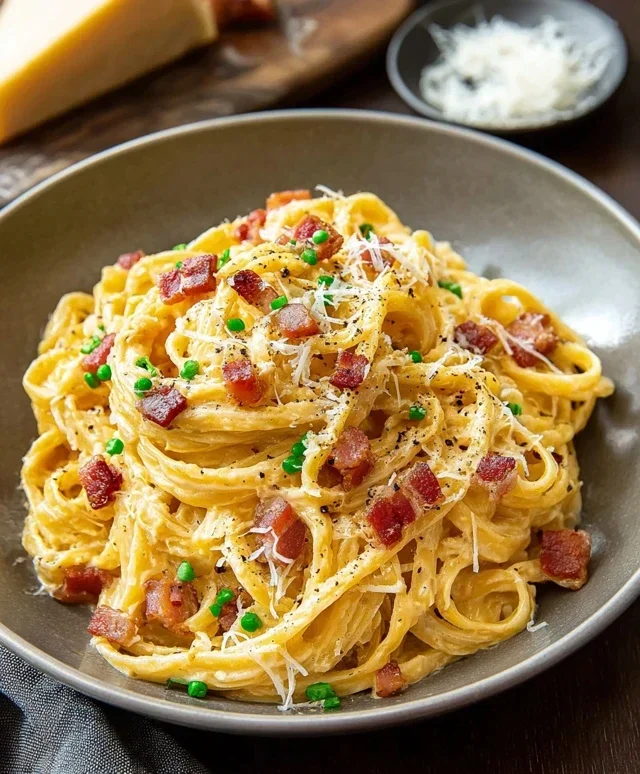
Classic Carbonara Pasta
A timeless Roman pasta dish featuring a rich, creamy sauce made with eggs, cheese, and cured meat.
Ingredients
-
12 oz spaghetti
-
4 oz beef pancetta (or beef bacon), diced
-
2 large eggs
-
¾ cup grated Pecorino Romano (or Parmesan)
-
½ cup grated Parmesan
-
2 cloves garlic, minced
-
½ tsp black pepper
-
½ tsp salt
-
½ cup reserved pasta water
Instructions
-
Step 1
Cook spaghetti in a large pot of boiling salted water until al dente. Reserve about 1 cup of pasta water before draining. -
Step 2
While pasta cooks, render the diced beef pancetta in a large skillet over medium heat until crispy. Remove pancetta and set aside, leaving rendered fat in the skillet. -
Step 3
Add minced garlic to the skillet with the pancetta fat and sauté for about 30 seconds until fragrant, being careful not to burn. -
Step 4
In a bowl, whisk together the eggs, Pecorino Romano, and Parmesan. Season with black pepper and salt. -
Step 5
Add the drained spaghetti to the skillet with the garlic and rendered fat. Toss to coat. -
Step 6
Remove the skillet from the heat. Quickly pour the egg and cheese mixture over the hot pasta, tossing continuously to create a creamy sauce. Add reserved pasta water a little at a time to achieve desired consistency. -
Step 7
Stir in the crispy beef pancetta and serve immediately, garnished with extra cheese and black pepper if desired.
Important Information
Nutrition Facts (Per Serving)
It is important to consider this information as approximate and not to use it as definitive health advice.
Allergy Information
Please check ingredients for potential allergens and consult a health professional if in doubt.

Leave a Comment